


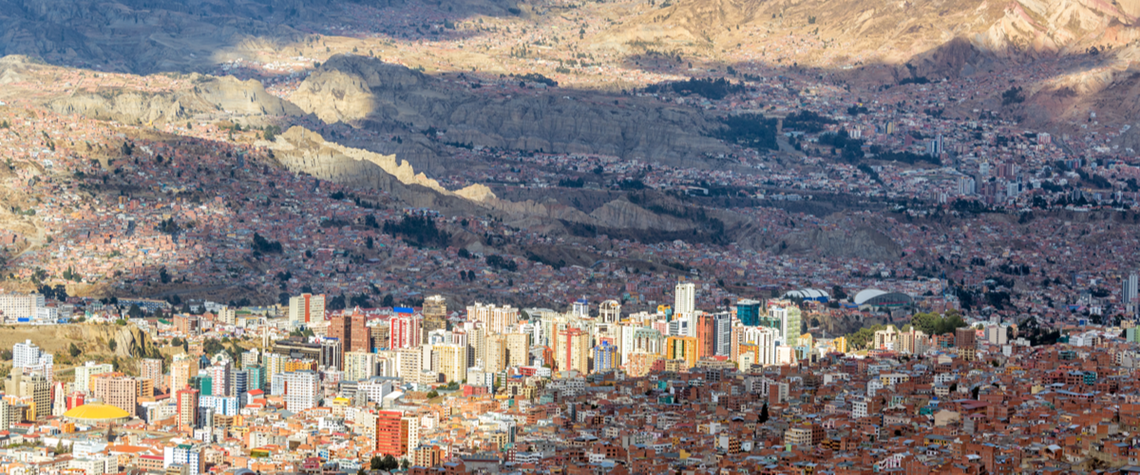
La Paz, Bolivia
Letter from South America: Bolivia's shrinking gas role
Declining production and cheaper LNG threaten the country’s role as gas supplier to its neighbours
Bolivia is a land of contrasts. The country encompasses dense Amazon rainforest, fertile plains, soaring Andes mountains and the second-highest altiplano in the world behind the Tibetan plateau. And yet the country is landlocked, with no access to the Pacific Ocean since the end of the Saltpeter War in 1884. It has struggled with a long history of pendulum swings between military dictatorships and socialist elected governments. The administrative capital of La Paz looks and feels very much like a city built in a crater on Mars, both in terms of aesthetics and lack of oxygen. Doing business in the country, especially in the energy sector, can sometimes feel like doing business on Mars as well

Also in this section
13 March 2026
Brussels is again weighing a cap on gas prices amid the Hormuz crisis, but the measure could backfire by deterring the LNG cargoes Europe urgently needs
12 March 2026
Emergency oil stocks provide a last line of defence to oil market shocks, so the IEA’s unprecedented 400m bl release represents something of a double-edged sword
12 March 2026
LPG could rapidly expand access to clean cooking across Africa and prevent hundreds of thousands of deaths from indoor air pollution each year, but infrastructure shortages and regulatory barriers are slowing investment and market growth
11 March 2026
Missiles over Dubai and disruption in Hormuz are testing the emirate’s reputation—and shaking the energy hub at the centre of the Gulf economy


