


There might be little or no room for increasing LNG output in Asia Pacific
Pacific LNG producers prepare for crunch
There may be little spare capacity in the region
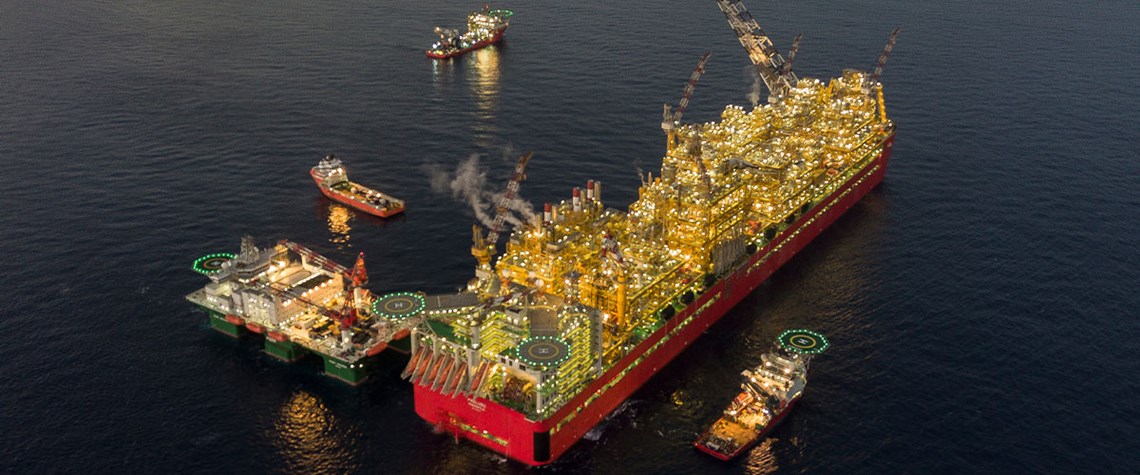
This coming northern hemisphere winter will be critical for the already tight global LNG market. High prices and widespread political pressure mean many LNG production facilities are likely to try to raise output, even above nameplate capacity levels. But in the Asia-Pacific region—which includes both the world’s top three LNG importers and major producer nations—there might be little or no room for increasing output, and there is even the risk domestic needs might eat into export volumes. Australia’s nameplate liquefaction capacity totals 88.6mn t/yr, and output in the 12 months ending 30 June this year reached 82.6mn t, giving it a utilisation rate of 93pc, data from Australian consultancy

Also in this section
28 April 2026
Oil traders warning of $200/bl oil are wrong, and the market should be wary of proclamations that the impact of the oil shortage has only begun to be felt and a that a ‘harsh adjustment’ is coming—even for industrialised nations
28 April 2026
Restoring supply from Saudi Arabia, the UAE, Kuwait, Qatar, Bahrain and Iraq involves complexities far beyond simply adjusting operational controls
28 April 2026
Datacentres will guzzle power at a ferocious rate, but the impact on wider energy markets will be far more complex than previously thought
28 April 2026
The key energy player faces balancing regional routes, political complexities, and creating a clear strategic vision for energy security


