


Southeast Asia is planning a long-term future for gas
Southeast Asia counting on carbon capture
The region’s shift from coal- to gas-fired generation will require additional strategies to meet ambitious carbon targets
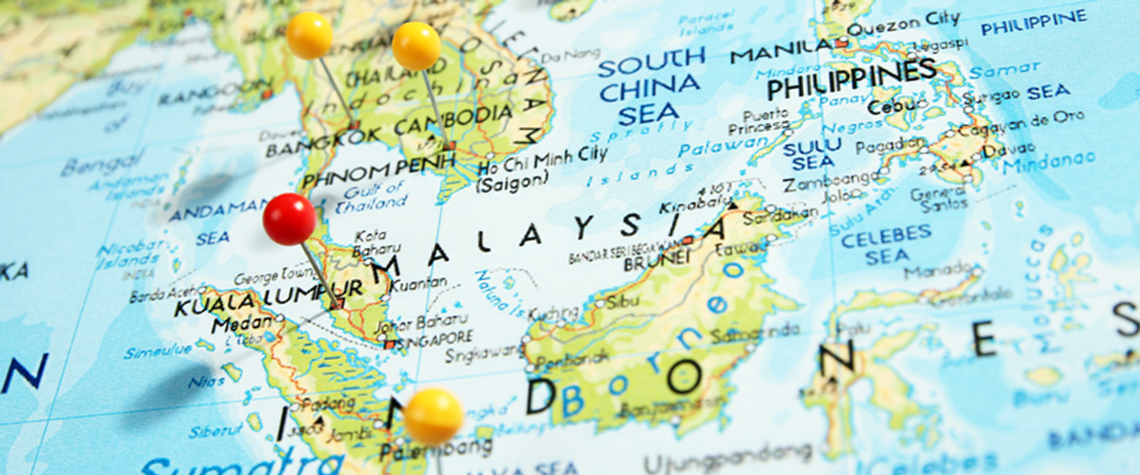
Governments and energy industry players in Southeast Asia are planning to use carbon capture and storage (CCS) and so-called ‘carbon-neutral’ LNG to extend the use of gas in the long term, as the question of how to meet ambitious climate commitments without causing too much disruption to regional economies comes ever more sharply into focus. A radical transformation of Southeast Asia’s energy sector is required to reach the region’s 2050 net-zero and carbon-neutrality aspirations. As a consequence, the region is tipped to be one of the most important drivers of gas demand growth, amid rising electricity consumption from improving living standards and industrialisation. Southeast Asia’s gas d

Also in this section
13 March 2026
Brussels is again weighing a cap on gas prices amid the Hormuz crisis, but the measure could backfire by deterring the LNG cargoes Europe urgently needs
12 March 2026
Emergency oil stocks provide a last line of defence to oil market shocks, so the IEA’s unprecedented 400m bl release represents something of a double-edged sword
12 March 2026
LPG could rapidly expand access to clean cooking across Africa and prevent hundreds of thousands of deaths from indoor air pollution each year, but infrastructure shortages and regulatory barriers are slowing investment and market growth
11 March 2026
Missiles over Dubai and disruption in Hormuz are testing the emirate’s reputation—and shaking the energy hub at the centre of the Gulf economy


