


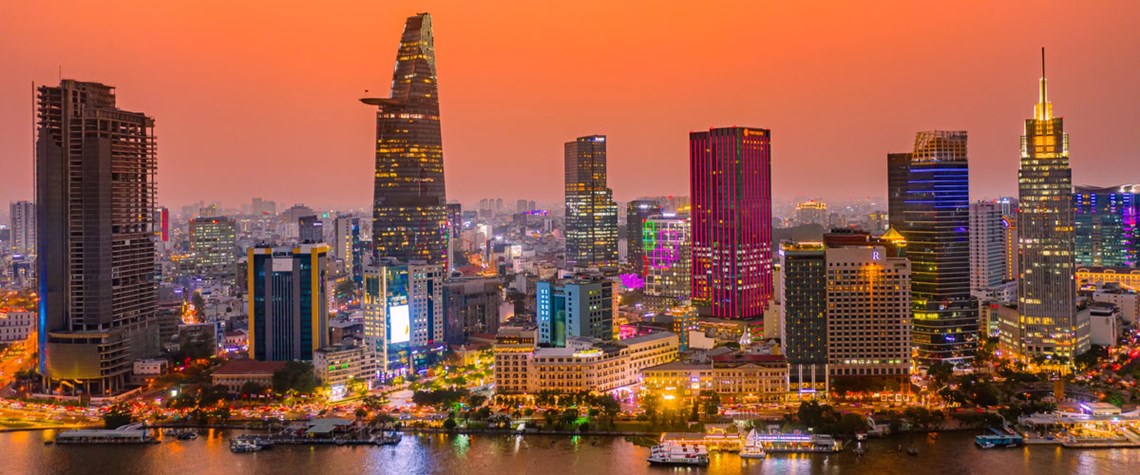
Ho Chi Minh City, Vietnam
Three key hurdles for Vietnam’s LNG-to-power sector
Tariffs, location and bureaucracy are obstacles to be overcome to drive greater use of gas in Vietnam’s power sector
Vietnam is in the process of switching to gas from a heavy reliance on coal-fired generation, with as many as 18 gas-to-power projects and nine LNG terminals under development. Substituting coal will have a major impact on ESG and carbon savings, but LNG and gas-to-power developments still face obstacles in Vietnam, speakers told Petroleum Economist’s LNG to Power Forum Apac event in Singapore in mid-May. Vietnam needs to make progress on infrastructure projects—particularly grid upgrades and improvements— to enable these gas-to-power projects to succeed, says Gilles Pascual, Asean power and utilities leader at consultancy EY. Many Vietnamese LNG projects—and even some of the previous tranch

Also in this section
13 March 2026
Brussels is again weighing a cap on gas prices amid the Hormuz crisis, but the measure could backfire by deterring the LNG cargoes Europe urgently needs
12 March 2026
Emergency oil stocks provide a last line of defence to oil market shocks, so the IEA’s unprecedented 400m bl release represents something of a double-edged sword
12 March 2026
LPG could rapidly expand access to clean cooking across Africa and prevent hundreds of thousands of deaths from indoor air pollution each year, but infrastructure shortages and regulatory barriers are slowing investment and market growth
11 March 2026
Missiles over Dubai and disruption in Hormuz are testing the emirate’s reputation—and shaking the energy hub at the centre of the Gulf economy


