


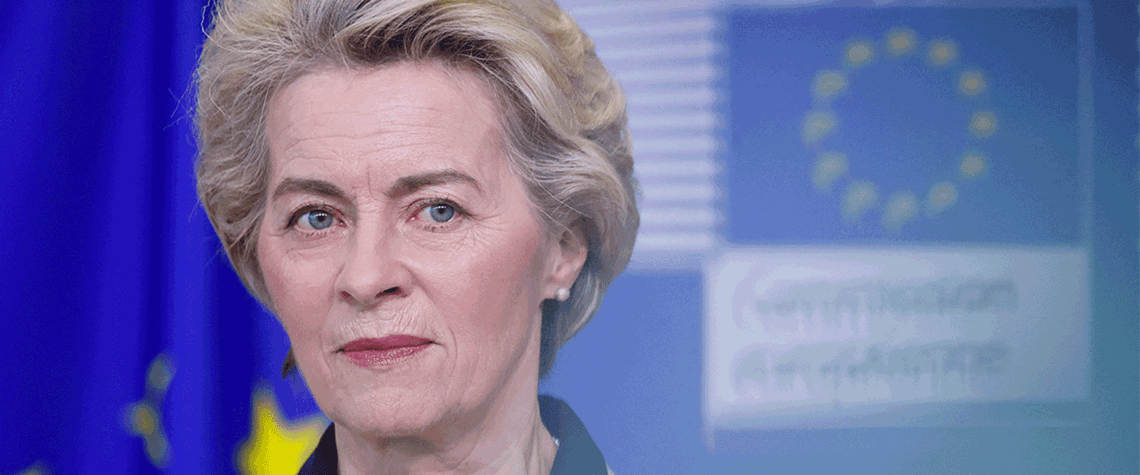
European Commission president Ursula von der Leyen
Europe’s confidence on gas may be premature
The region has made significant progress on reducing exposure to Russian gas, but despite rosy assessments by politicians, challenges remain
An unusually warm winter has helped Europe reduce its gas consumption significantly while aggressive spending has allowed most of the continent to improve its LNG regasification and pipeline infrastructure. However, major uncertainties loom over planned supply increases and demand reductions alike, and it is much too early to claim Europe has weaned itself off its heavy dependence on Russian energy. “Today, one year after the war began, [Russian president Vladimir Putin] has already lost the energy war he started,” announced Ursula von der Leyen, the president of the European Commission, in mid-February. “With European unity and a smart energy policy, we have withstood Russian pressure and f

Also in this section
13 March 2026
Brussels is again weighing a cap on gas prices amid the Hormuz crisis, but the measure could backfire by deterring the LNG cargoes Europe urgently needs
12 March 2026
Emergency oil stocks provide a last line of defence to oil market shocks, so the IEA’s unprecedented 400m bl release represents something of a double-edged sword
12 March 2026
LPG could rapidly expand access to clean cooking across Africa and prevent hundreds of thousands of deaths from indoor air pollution each year, but infrastructure shortages and regulatory barriers are slowing investment and market growth
11 March 2026
Missiles over Dubai and disruption in Hormuz are testing the emirate’s reputation—and shaking the energy hub at the centre of the Gulf economy


