


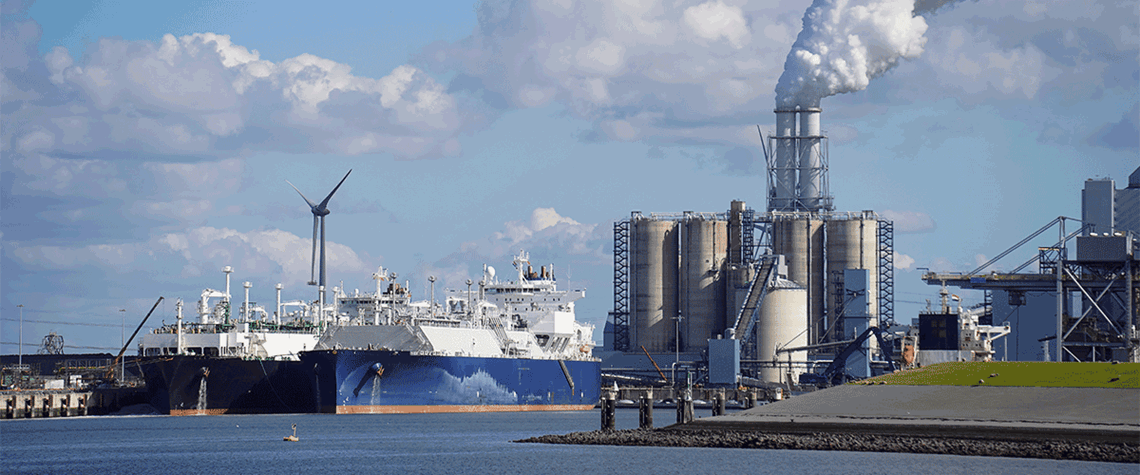
The new floating LNG terminal in Eemshaven, Netherlands
Europe’s LNG strategy is better late than never
Infrastructure buildout will give EU better options in 2023 and even more in 2024
The Russia crisis was a wake-up call for Europe’s energy strategy as it rushed to change its complacent and inward-looking approach to gas security. Some have criticised its push for gas diversification as an expensive insurance policy or its LNG infrastructure plans as too little, too late. But the key take-away is that you can never have enough energy options. Europe was shaken out of its pipeline comfort zone by the need to wean itself off Russian supplies and move to become a global LNG player. The EU scrambled to replace close to 80bn m³ of Russian piped deliveries in 2022 as LNG went from being the marginal molecule to accounting for almost two-thirds of Europe’s gas imports. As such,

Also in this section
13 March 2026
Brussels is again weighing a cap on gas prices amid the Hormuz crisis, but the measure could backfire by deterring the LNG cargoes Europe urgently needs
12 March 2026
Emergency oil stocks provide a last line of defence to oil market shocks, so the IEA’s unprecedented 400m bl release represents something of a double-edged sword
12 March 2026
LPG could rapidly expand access to clean cooking across Africa and prevent hundreds of thousands of deaths from indoor air pollution each year, but infrastructure shortages and regulatory barriers are slowing investment and market growth
11 March 2026
Missiles over Dubai and disruption in Hormuz are testing the emirate’s reputation—and shaking the energy hub at the centre of the Gulf economy


