


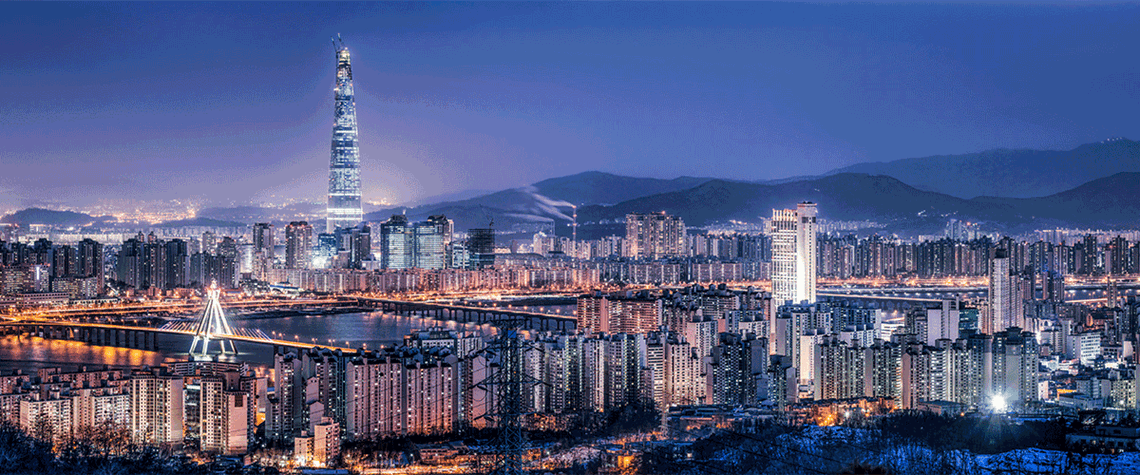
South Korea’s capital, Seoul
Muddled policies cloud Korean LNG outlook
Planned terminal expansions do not fit with Seoul’s stated goals of trimming LNG dependence
South Korea has long been one of the world’s largest LNG consumers, alongside Japan, China and—more recently—the EU. But despite a huge and ongoing buildout of regasification infrastructure, the medium-to-long-term outlook for Korean LNG demand is unclear. The country aims to meet its net-zero targets in part through a sharp reduction in its dependence on imported LNG, even while vacillation on nuclear policy brings additional uncertainty. South Korea has managed to trim its coal use in recent years and raise the proportion of gas in the generation mix as it seeks to achieve net zero by 2050. The government is closing ageing coal-fired plants and imposed a 28% tax on imports of the solid fue

Also in this section
13 March 2026
Brussels is again weighing a cap on gas prices amid the Hormuz crisis, but the measure could backfire by deterring the LNG cargoes Europe urgently needs
12 March 2026
Emergency oil stocks provide a last line of defence to oil market shocks, so the IEA’s unprecedented 400m bl release represents something of a double-edged sword
12 March 2026
LPG could rapidly expand access to clean cooking across Africa and prevent hundreds of thousands of deaths from indoor air pollution each year, but infrastructure shortages and regulatory barriers are slowing investment and market growth
11 March 2026
Missiles over Dubai and disruption in Hormuz are testing the emirate’s reputation—and shaking the energy hub at the centre of the Gulf economy


