


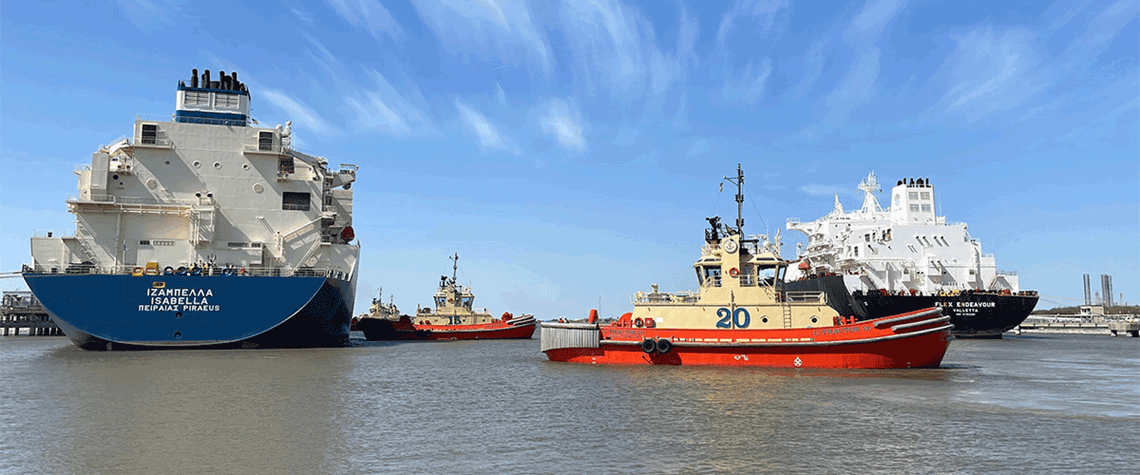
An LNG tanker pulled by tugs at Sabine Pass LNG
Regulatory change threatens next wave of US LNG
A potential policy shift has thrown the fate of c.100mt/yr of new US liquefaction capacity into doubt
Expectations that the US would fortify its position as the world’s leading LNG exporter are being reined in after reports of an upcoming change in the regulatory process that would prioritise energy sustainability and have far-reaching implications for the long-term price of gas. On 26 January, the White House confirmed reports that the Biden administration would ask the Department of Energy (DOE) to consider the climate impacts of new LNG export projects when reviewing applications for non-free-trade-agreement-nations (NFTANs) export permits. The White House also said it would pause the issuing of permits while it updated the review process to be in line with the revised policy. The new cri

Also in this section
28 April 2026
Oil traders warning of $200/bl oil are wrong, and the market should be wary of proclamations that the impact of the oil shortage has only begun to be felt and a that a ‘harsh adjustment’ is coming—even for industrialised nations
28 April 2026
Restoring supply from Saudi Arabia, the UAE, Kuwait, Qatar, Bahrain and Iraq involves complexities far beyond simply adjusting operational controls
28 April 2026
Datacentres will guzzle power at a ferocious rate, but the impact on wider energy markets will be far more complex than previously thought
28 April 2026
The key energy player faces balancing regional routes, political complexities, and creating a clear strategic vision for energy security


