


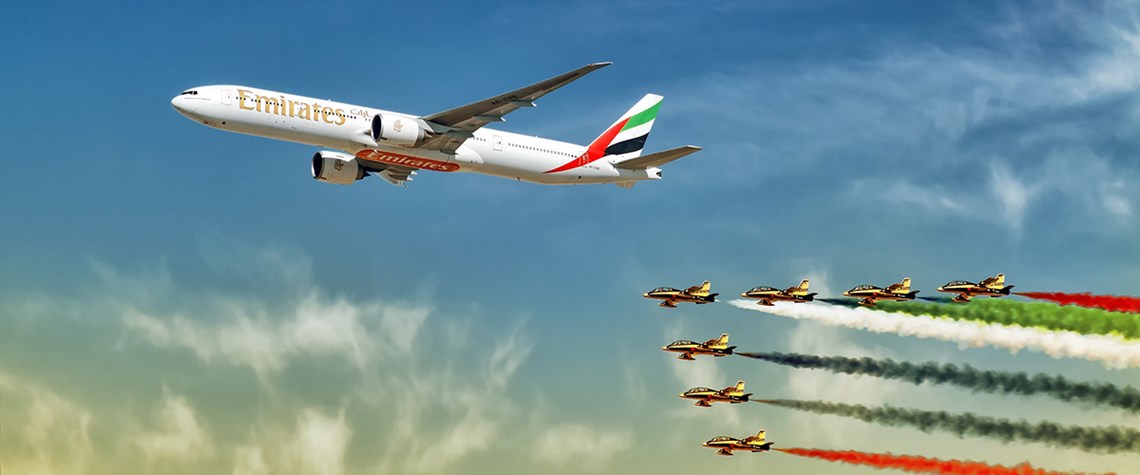
Many wings over the Gulf
The GCC/Qatar crisis is only the latest and most serious case of Gulf oil producers putting sovereignty above regional integration
There was a day when Gulf Air—tayran al-khalij in Arabic, which literally means 'the airline of the Gulf'—was just that. Or nearly. In the final decades of the last century, Gulf Air was a joint venture involving the governments of Bahrain, Abu Dhabi, Oman and Qatar. Not a bad base to build on. The formation of the Gulf Cooperation Council (GCC) in 1980 had led to hopes that the national airlines of Kuwait and Saudi Arabia would come under the Gulf Air umbrella—providing an obvious early success story for the new regional grouping of oil producers. Not only did those two states fail to sign up, but over the space of a few years Qatar, Abu Dhabi and Oman pulled out of the joint venture, leavi

Also in this section
29 April 2026
Trafigura’s $1b prepayment agreement confirms African resource holders’ renewed interest in oil-backed financing deals as they look to capitalise on high oil prices
29 April 2026
The UAE’s departure from the oil producers’ group was a surprise to many, but the move can be traced back to a single point five years ago
28 April 2026
Oil traders warning of $200/bl oil are wrong, and the market should be wary of proclamations that the impact of the oil shortage has only begun to be felt and a that a ‘harsh adjustment’ is coming—even for industrialised nations
28 April 2026
Restoring supply from Saudi Arabia, the UAE, Kuwait, Qatar, Bahrain and Iraq involves complexities far beyond simply adjusting operational controls


