


Panama puts itself forward
The Central American nation wants to make the most of its geographical position to supply the rest of the continent with energy
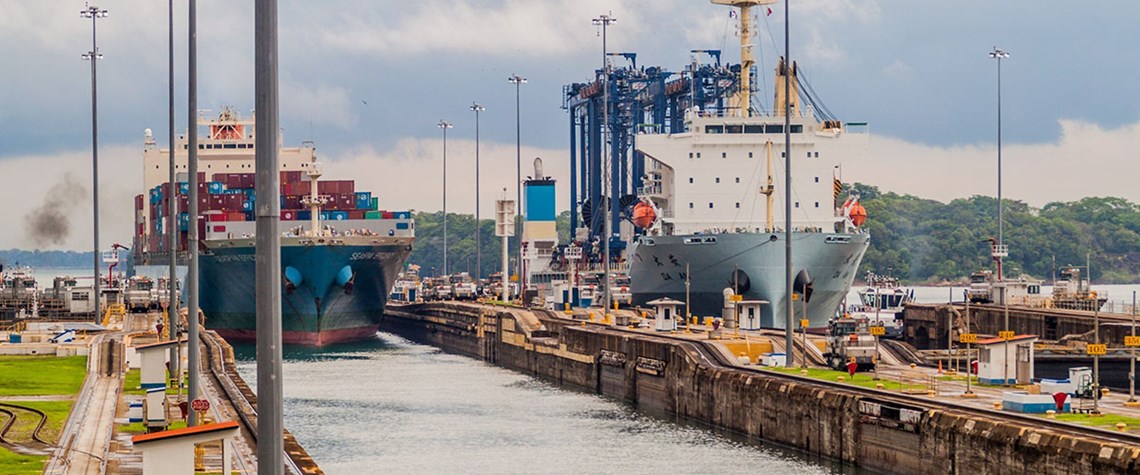
Panama's government wants to use its pivotal location and liberal fiscal policies to transform the country into a regional power and energy hub, putting itself ahead of competitors in the region. Last year's $5.4bn extension of the Panama Canal, which has created the option for ships carrying cargoes of liquefied natural gas to travel between the US and Asia, is a catalyst for the development of a gas hub. The US-based AES Corporation—an electric power distribution company—will open the 1.5m-tonnes-a-year Costa Norte LNG terminal and power project in Colon, at the entrance of the Panama Canal, next year. A gas-fired power plant is expected to come online in the third quarter of 2018, followe

Also in this section
13 March 2026
Brussels is again weighing a cap on gas prices amid the Hormuz crisis, but the measure could backfire by deterring the LNG cargoes Europe urgently needs
12 March 2026
Emergency oil stocks provide a last line of defence to oil market shocks, so the IEA’s unprecedented 400m bl release represents something of a double-edged sword
12 March 2026
LPG could rapidly expand access to clean cooking across Africa and prevent hundreds of thousands of deaths from indoor air pollution each year, but infrastructure shortages and regulatory barriers are slowing investment and market growth
11 March 2026
Missiles over Dubai and disruption in Hormuz are testing the emirate’s reputation—and shaking the energy hub at the centre of the Gulf economy


