


Conflict cripples Libya's oil sector
The latest battle for Libya’s key oil ports—the fourth in as many years—leaves vital infrastructure destroyed and the country’s production recovery in jeopardy
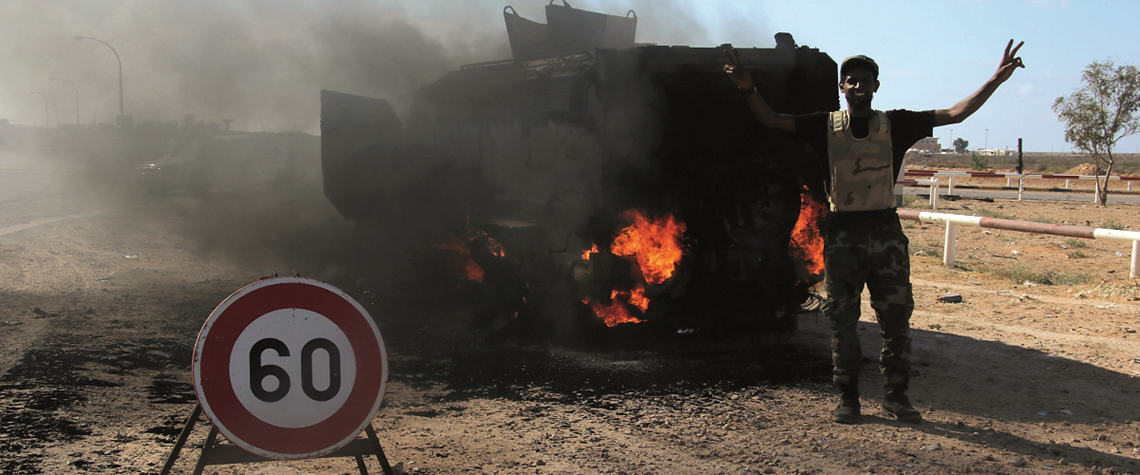
Fighting began on 14 June when warlord Ibrahim Jathran led his grandly named but poorly equipped militia, the Petroleum Facilities Guard (PFG), in an attack that seized Es Sider, Libya's largest export terminal, and nearby Ras Lanuf, its largest refinery. Jathran's militia were originally formed to guard the ports, which take exports from the Sirte Basin, home to two-thirds of Libya's production. But from 2013, they blockaded the terminals demanding huge payments. The blockade ended in September 2016 when Khalifa Hafter's Libya National Army (LNA) seized them, opening them for business. Since that capture, Libya's oil production has jumped from 220,000 barrels a day to hit 1m b/d in June las

Also in this section
28 April 2026
The key energy player faces balancing regional routes, political complexities, and creating a clear strategic vision for energy security
24 April 2026
The European Commission’s response to the Middle East crisis is to double down on its transition strategy, with plans for a new target on electrification
24 April 2026
A major new discovery by Eni and BP that can likely be fast-tracked to production is welcome news for Egypt as it scrambles to plug a widening supply gap and deal with rising import risks
24 April 2026
Countries in the region are turning to the cleaner-burning fuel for power generation, driving demand for imports


