


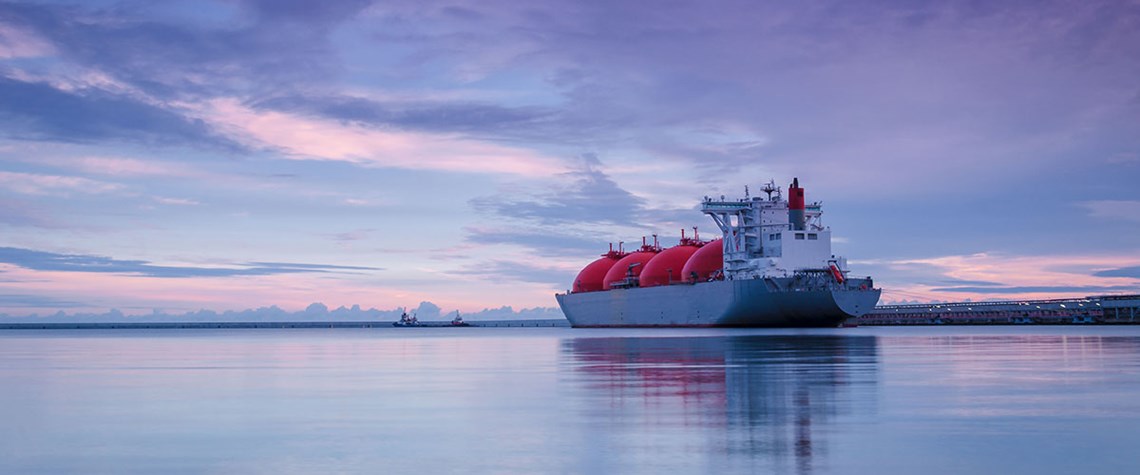
Latin America’s uncertain LNG future
Old-guard importers are fading, but new markets are opening. The region’s exporters are adapting to the US threat
Latin America doesn't suck in huge quantities of liquefied natural gas like northeast Asia, or feed the world's thirst on the same scale as Australia or Qatar; but it has played an increasingly important role in the global gas trade in recent years. The Southern Cone countries—Brazil, Argentina and Chile—have been the region's stalwart importers. The region put itself on the LNG trade map earlier this decade. Severe droughts in Brazil forced the country to burn far more gas than usual, much of which it brought in from LNG markets. At the same time, Argentina's demand was surging and its production sliding, which saw it turn to LNG markets to plug the gap. In 2014, the Southern Cone countries

Also in this section
13 March 2026
Brussels is again weighing a cap on gas prices amid the Hormuz crisis, but the measure could backfire by deterring the LNG cargoes Europe urgently needs
12 March 2026
Emergency oil stocks provide a last line of defence to oil market shocks, so the IEA’s unprecedented 400m bl release represents something of a double-edged sword
12 March 2026
LPG could rapidly expand access to clean cooking across Africa and prevent hundreds of thousands of deaths from indoor air pollution each year, but infrastructure shortages and regulatory barriers are slowing investment and market growth
11 March 2026
Missiles over Dubai and disruption in Hormuz are testing the emirate’s reputation—and shaking the energy hub at the centre of the Gulf economy


