


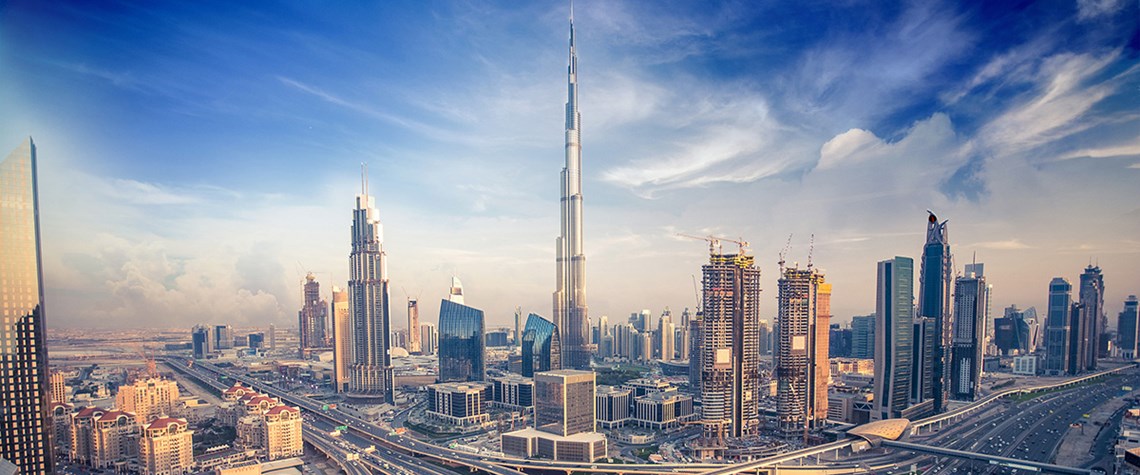
UAE—all hands on deck
The country is adopting a new energy identity which gives emirates, other than kingpin Abu Dhabi, greater and more diverse roles
Six emirates united under the UAE flag at a time when towns were slowly emerging from empty desert, caravans of camels decorated the horizon and agents of foreign energy firms examined dog-eared maps on the heated bonnets of their 4x4s. Since that day in December 1971, the energy paths of Abu Dhabi, Ajman, Dubai, Fujairah, Sharjah and Umm al-Quwain have differed hugely. Ras al-Khaimah joined the UAE a year later. For nearly half a century, Abu Dhabi, and Dubai to a lesser extent, took the lead in fossil-fuel production and consumption. But now the playing field is beginning to level out as other emirates leverage their natural resources. Three key triggers are spurring change. The first is t

Also in this section
13 March 2026
Brussels is again weighing a cap on gas prices amid the Hormuz crisis, but the measure could backfire by deterring the LNG cargoes Europe urgently needs
12 March 2026
Emergency oil stocks provide a last line of defence to oil market shocks, so the IEA’s unprecedented 400m bl release represents something of a double-edged sword
12 March 2026
LPG could rapidly expand access to clean cooking across Africa and prevent hundreds of thousands of deaths from indoor air pollution each year, but infrastructure shortages and regulatory barriers are slowing investment and market growth
11 March 2026
Missiles over Dubai and disruption in Hormuz are testing the emirate’s reputation—and shaking the energy hub at the centre of the Gulf economy


