


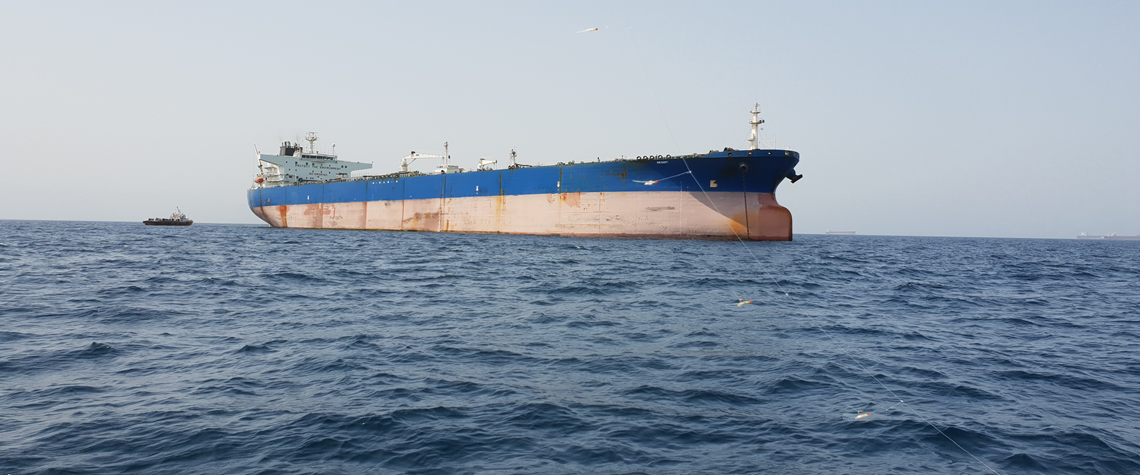
Dangerous dance in the Gulf
The US and Iran have thus far reacted to a string of provocative moves more in word than deed, but the potential for miscalculation is high
The summer has passed without any of the direct military clashes in the Gulf between US and Iranian forces that many had feared. But the autumn holds scant prospect of an early resolution of the crisis, and thus for reducing the risk of even an accidental misstep into war. And two external factors risk further ratcheting up the tension—the impact of the United Arab Emirates' (UAE) withdrawal from the battle against the Iran-backed Houthis in Yemen; and the 2020 US presidential election. Any number of incidents over the past few months could have triggered a military confrontation in the Gulf. President Donald Trump in June came close to ordering airstrikes against Iranian targets in retaliat

Also in this section
29 April 2026
The UAE’s exit from the alliance marks a decisive step towards a world in which oil markets are shaped less by collective management and more by national strategy
29 April 2026
Trafigura’s $1b prepayment agreement confirms African resource holders’ renewed interest in oil-backed financing deals as they look to capitalise on high oil prices
29 April 2026
The UAE’s departure from the oil producers’ group was a surprise to many, but the move can be traced back to a single point five years ago
28 April 2026
Oil traders warning of $200/bl oil are wrong, and the market should be wary of proclamations that the impact of the oil shortage has only begun to be felt and a that a ‘harsh adjustment’ is coming—even for industrialised nations


