


Oil revenue access drives conflict
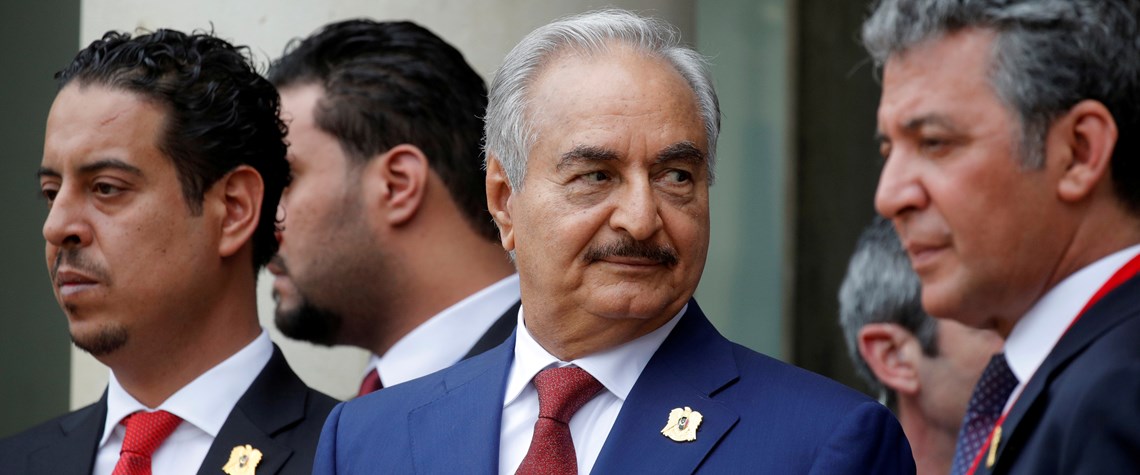
General Khalifa Haftar's LNA is battling the GNA for control of Tripoli. But what are his options and what are the longer-term implications for the oil sector?
Haftar's Libyan National Army (LNA) — long a regional hegemon, with a smattering of allies in other parts of the country — has in 2019 made a concerted attempt to become a truly national force. Haftar has a core support base in eastern Libya, where the LNA has been fighting under a counter-terror narrative since 2014. Through careful coalition building, he has gradually cemented the support of most communities in the east, as well as the eastern branches of Libya's main political and economic institutions, including the parallel government based in Bayda. In recent months, the LNA has expanded its reach into southern Libya and has also gained more allies in the western region. Due to these r

Also in this section
29 April 2026
The UAE’s exit from the alliance marks a decisive step towards a world in which oil markets are shaped less by collective management and more by national strategy
29 April 2026
Trafigura’s $1b prepayment agreement confirms African resource holders’ renewed interest in oil-backed financing deals as they look to capitalise on high oil prices
29 April 2026
The UAE’s departure from the oil producers’ group was a surprise to many, but the move can be traced back to a single point five years ago
28 April 2026
Oil traders warning of $200/bl oil are wrong, and the market should be wary of proclamations that the impact of the oil shortage has only begun to be felt and a that a ‘harsh adjustment’ is coming—even for industrialised nations


