


US withdrawal stirs the Middle East
Long-term adversaries are re-evaluating their allegiances in the wake of the US policy shift in the region
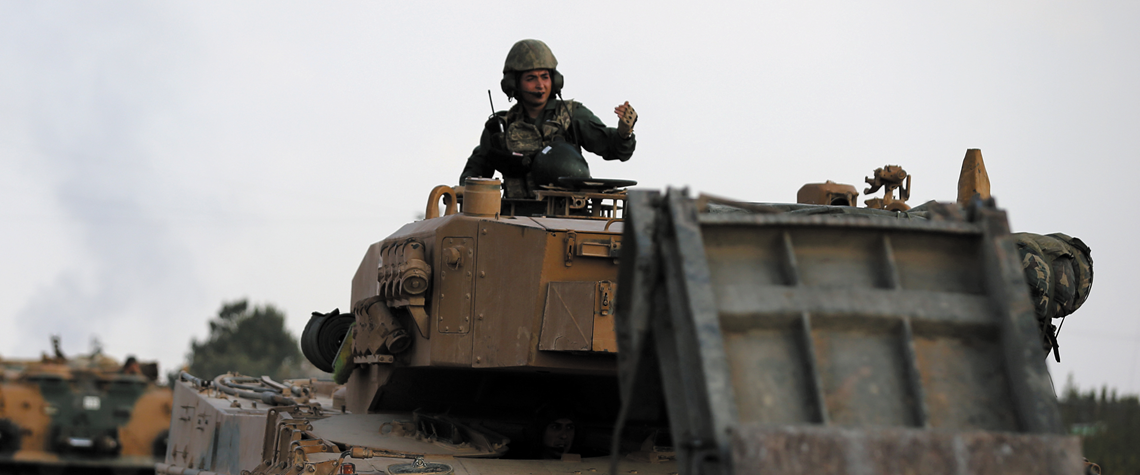
Shifting alliances and strategies, growing perceptions of US disengagement as well as tentative, exploratory rapprochement between rivals—look set to leave their mark on the geopolitical landscape of the Middle East and North Africa (Mena) in 2020. President Donald Trump’s America First policy and his aversion to projecting power are recasting long-standing relationships, including those with Saudi Arabia and even Israel. The trend may become even more apparent in the run-up to the American presidential election in November 2020. Trump’s controversial decision in October 2019 to withdraw US forces from northern Syria and effectively give the green light to a Turkish offensive against Kurdi

Also in this section
13 March 2026
Brussels is again weighing a cap on gas prices amid the Hormuz crisis, but the measure could backfire by deterring the LNG cargoes Europe urgently needs
12 March 2026
Emergency oil stocks provide a last line of defence to oil market shocks, so the IEA’s unprecedented 400m bl release represents something of a double-edged sword
12 March 2026
LPG could rapidly expand access to clean cooking across Africa and prevent hundreds of thousands of deaths from indoor air pollution each year, but infrastructure shortages and regulatory barriers are slowing investment and market growth
11 March 2026
Missiles over Dubai and disruption in Hormuz are testing the emirate’s reputation—and shaking the energy hub at the centre of the Gulf economy


