


Letter from the Middle East: The UAE and Opec—a problem postponed, not solved
Abu Dhabi may have fallen into line for now, but tensions could re-emerge next month
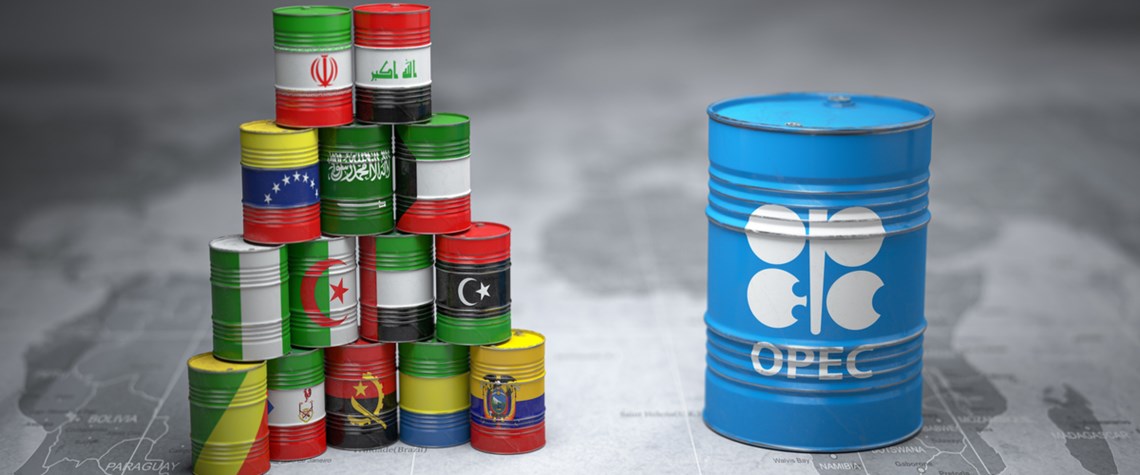
The solution reached by Opec+ in early December may have calmed oil markets’ fears over lack of unity in the alliance’s appetite for retaining production curbs until the end of the year. But month-by-month revisiting of output limits opens the prospect for tensions to emerge with each negotiation. And the potentially growing impatience of the UAE to remake its quota, to allow it to produce more, could thus emerge not as an issue bubbling in the background, but as an open and prolonged battle. The UAE, represented effectively by Abu Dhabi, has traditionally been a strong supporter of Opec, despite not having been a founder member. It usually closely coordinates its policy with Mid-East Gul

Also in this section
13 March 2026
Brussels is again weighing a cap on gas prices amid the Hormuz crisis, but the measure could backfire by deterring the LNG cargoes Europe urgently needs
12 March 2026
Emergency oil stocks provide a last line of defence to oil market shocks, so the IEA’s unprecedented 400m bl release represents something of a double-edged sword
12 March 2026
LPG could rapidly expand access to clean cooking across Africa and prevent hundreds of thousands of deaths from indoor air pollution each year, but infrastructure shortages and regulatory barriers are slowing investment and market growth
11 March 2026
Missiles over Dubai and disruption in Hormuz are testing the emirate’s reputation—and shaking the energy hub at the centre of the Gulf economy


