


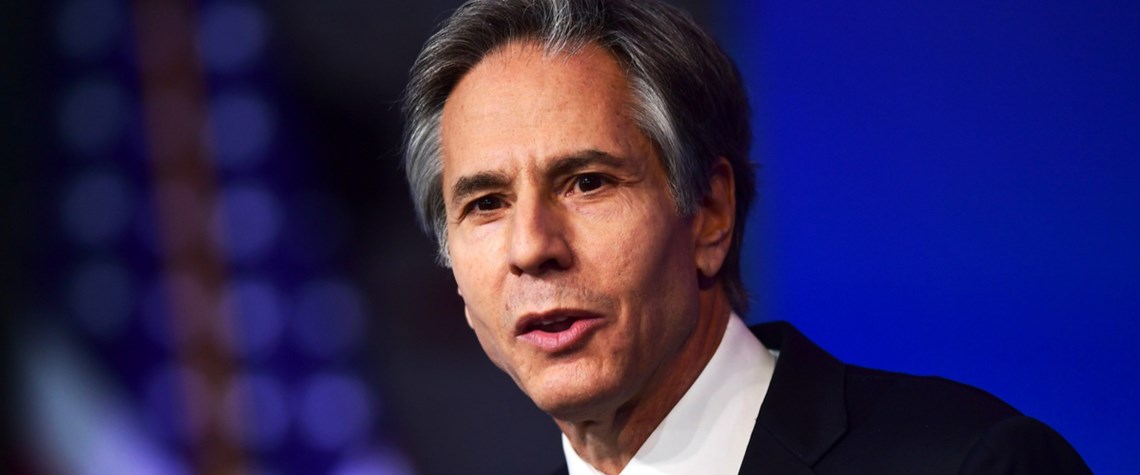
US Secretary of State Antony Blinken
Biden plans Mid-East Gulf shake-up
US diplomatic goals, if achieved, will impact the Iranian, Saudi and Yemeni energy sectors
President Joe Biden’s foreign policy speech at the State Department in early February gave subtle, but unequivocal, indications of how the new US administration’s views of the Middle East are radically different from those of the previous team. In listing America’s closest friends—ones he had contacted since taking office—he omitted Israel and all Arab states. The region’s autocrats know that relations with Washington are about to change: the president spoke of “rebuilding the muscle of democratic alliances”. Biden also dropped his predecessor’s habit of using foreign policy speeches to castigate Iran. He clearly wants to be careful not to complicate the role of his diplomatic corps, which h

Also in this section
13 March 2026
Brussels is again weighing a cap on gas prices amid the Hormuz crisis, but the measure could backfire by deterring the LNG cargoes Europe urgently needs
12 March 2026
Emergency oil stocks provide a last line of defence to oil market shocks, so the IEA’s unprecedented 400m bl release represents something of a double-edged sword
12 March 2026
LPG could rapidly expand access to clean cooking across Africa and prevent hundreds of thousands of deaths from indoor air pollution each year, but infrastructure shortages and regulatory barriers are slowing investment and market growth
11 March 2026
Missiles over Dubai and disruption in Hormuz are testing the emirate’s reputation—and shaking the energy hub at the centre of the Gulf economy


