


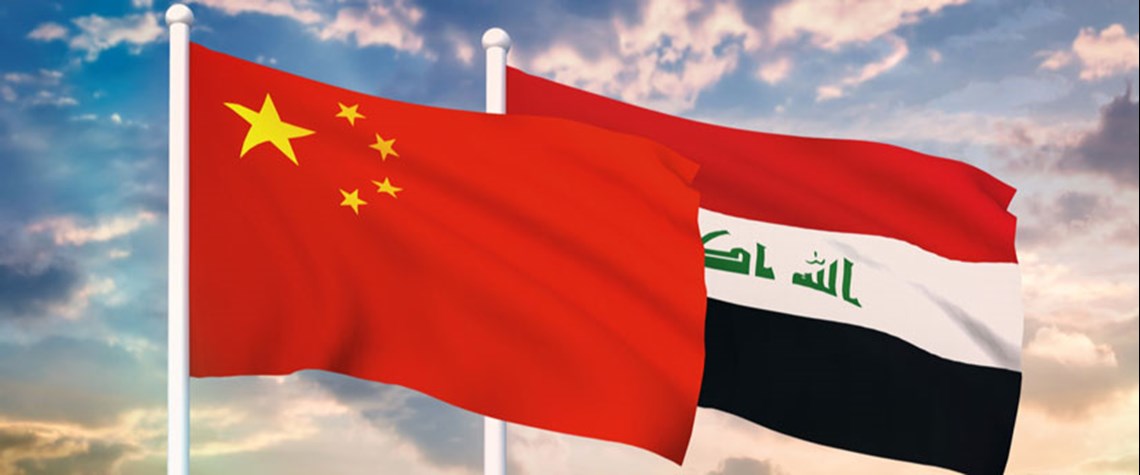
China is becoming more involved in Iraq, but both sides are still cautious of the other
Iraq’s China embrace not without risks
The Middle Eastern state’s welcome of Chinese investment is understandable, but not unproblematic
Majors—notably BP, Shell and ExxonMobil—are retreating from Iraq given its challenging financial environment, although not solely because of it. The country, which has struggled to attract new upstream investment from large firms in recent years, has come to rely on a shrinking number of companies to operate its largest fields. “All major investors are either looking for another market or for another partner,” says Iraqi oil minister Ihsan Ismael. Why does this matter? The twin shocks of low oil prices and the Covid-19 pandemic caused Iraq’s GDP to contract by 10.4pc in 2020 and led to a painful currency devaluation. With oil export revenues accounting for over 90pc of the state budget and I

Also in this section
13 March 2026
Brussels is again weighing a cap on gas prices amid the Hormuz crisis, but the measure could backfire by deterring the LNG cargoes Europe urgently needs
12 March 2026
Emergency oil stocks provide a last line of defence to oil market shocks, so the IEA’s unprecedented 400m bl release represents something of a double-edged sword
12 March 2026
LPG could rapidly expand access to clean cooking across Africa and prevent hundreds of thousands of deaths from indoor air pollution each year, but infrastructure shortages and regulatory barriers are slowing investment and market growth
11 March 2026
Missiles over Dubai and disruption in Hormuz are testing the emirate’s reputation—and shaking the energy hub at the centre of the Gulf economy


