


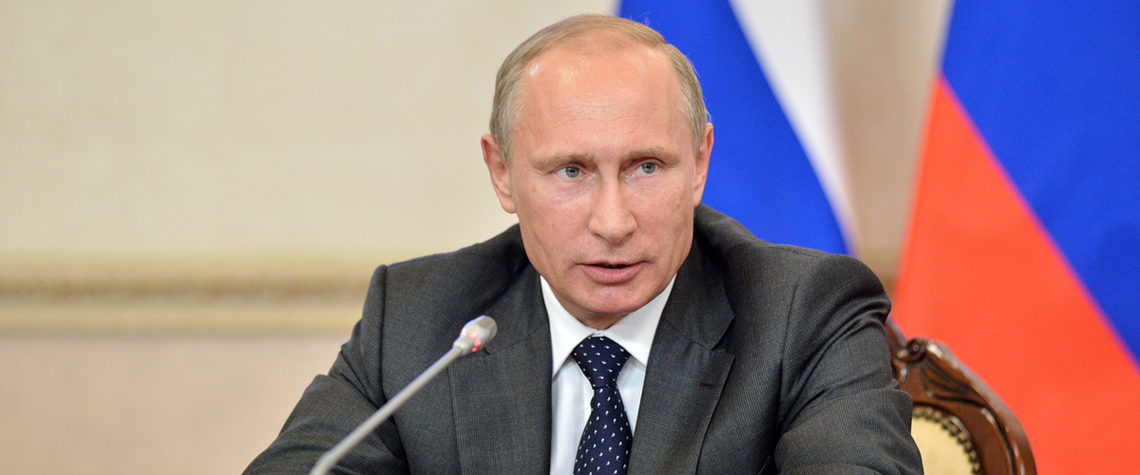
Russian president Vladimir Putin
Outlook 2022: Russia plays catch-up
The Eurasian giant has announced an aggressive decarbonisation plan while striving to relieve Europe’s power crunch
Russia’s 2035 energy strategy, released last year, failed to mention climate change, but the country has undergone a sea-change in its approach to decarbonisation over the subsequent 18 months. In April, President Vladimir Putin included environmental and climate issues as a priority for his country’s development for the first time in his state of the nation address, while also adding the climate emergency to Russia’s National Defence Strategy. In July, Putin signed legislation limiting greenhouse gas emissions for private enterprises and, in November, Prime Minister Mikhail Mishustin announced an ambitious decarbonisation strategy—although slightly watered down from the initial draft drawn

Also in this section
5 March 2026
Gas is a central pillar of Colombia’s energy system, but declining production poses a significant challenge, and LNG will be increasingly needed as a stopgap. A recent major offshore gas discovery offers hope, but policy improvements are also required, Camilo Morales, secretary general of Naturgas, the Colombian gas association, tells Petroleum Economist
4 March 2026
The continent’s inventories were already depleted before conflict erupted in the Middle East, causing prices to spike ahead of the crucial summer refilling season
4 March 2026
The US president has repeatedly promised to lower gasoline prices, but this ambition conflicts with his parallel aim to increase drilling and could be upended by his war against Iran
4 March 2026
With the Strait of Hormuz effectively closed following US-Israel strikes and Iran’s retaliatory escalation, Fujairah has become the region’s critical pressure release valve—and is now under serious threat


