


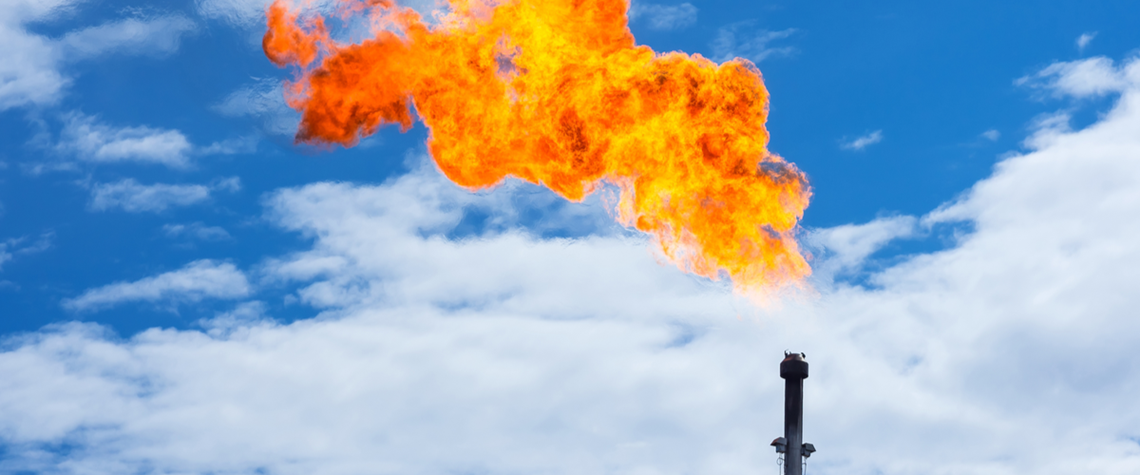
IOCs ordered to cease all flaring of associated gas within 18 months or face fines
The curious case of Kurdish gas
The KRG is seeking to increase gas flows and reduce flaring, but its strategy has raised a few eyebrows
The Kurdistan Regional Government (KRG) is moving to exert greater control over its oil and gas industry under Minister of Natural Resources Kamal Atroshi, who was sworn into office in January. Operators may not, though, see the greater engagement as unconditionally positive. IOCs active in Kurdistan had been sitting relatively pretty—14 months of consecutive timely payments coincided with the December announcement by the Ministry of Natural Resources (MNR) of a plan to pay off several months’ worth of debts. Under the MNR’s framework, firms received an additional $0.50/bl produced for each dollar over $50/bl in the realised price of crude, allowing them to slowly make good the arrears, say

Also in this section
13 March 2026
Brussels is again weighing a cap on gas prices amid the Hormuz crisis, but the measure could backfire by deterring the LNG cargoes Europe urgently needs
12 March 2026
Emergency oil stocks provide a last line of defence to oil market shocks, so the IEA’s unprecedented 400m bl release represents something of a double-edged sword
12 March 2026
LPG could rapidly expand access to clean cooking across Africa and prevent hundreds of thousands of deaths from indoor air pollution each year, but infrastructure shortages and regulatory barriers are slowing investment and market growth
11 March 2026
Missiles over Dubai and disruption in Hormuz are testing the emirate’s reputation—and shaking the energy hub at the centre of the Gulf economy


