


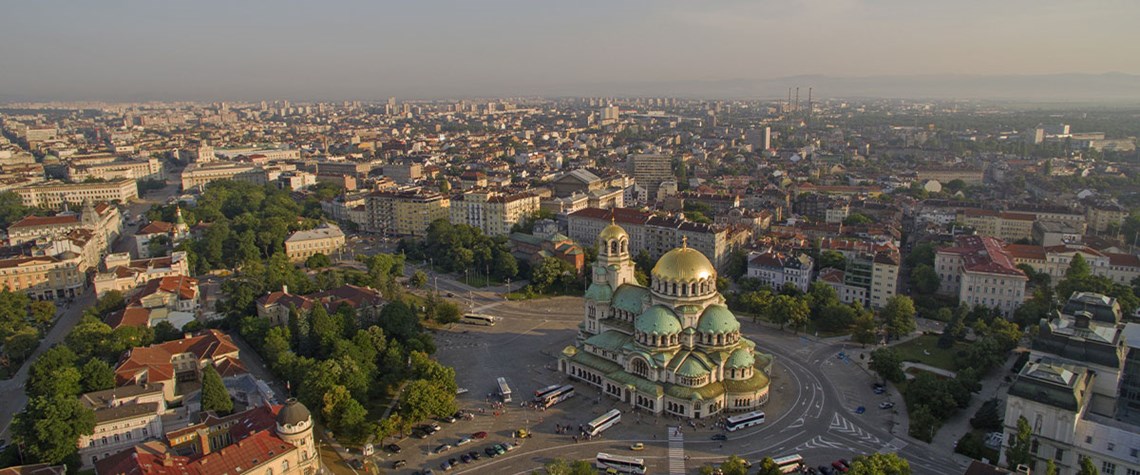
Sofia, capital of Bulgaria
Bulgaria caught between east and west
Russian interference and domestic political instability threaten the country’s dream of becoming a regional energy hub
Bulgaria is set to start receiving Azeri gas and US LNG via a long-anticipated link to Greece that is expected to become operational on 1 October. But the poorest EU member state—and one of Russia’s closest former satellites—is also headed into a bitterly contested election and faces an uncertain energy situation over the winter. The challenging position Bulgaria finds itself in is largely due to domestic dysfunction, analysts say, although the crisis is exacerbated by Russia’s decision in April to cut off gas supplies after the country’s former pro-Western coalition government, which collapsed in June, refused to pay in roubles. At the beginning of the year, Bulgaria was importing about 90p

Also in this section
13 March 2026
Brussels is again weighing a cap on gas prices amid the Hormuz crisis, but the measure could backfire by deterring the LNG cargoes Europe urgently needs
12 March 2026
Emergency oil stocks provide a last line of defence to oil market shocks, so the IEA’s unprecedented 400m bl release represents something of a double-edged sword
12 March 2026
LPG could rapidly expand access to clean cooking across Africa and prevent hundreds of thousands of deaths from indoor air pollution each year, but infrastructure shortages and regulatory barriers are slowing investment and market growth
11 March 2026
Missiles over Dubai and disruption in Hormuz are testing the emirate’s reputation—and shaking the energy hub at the centre of the Gulf economy


