


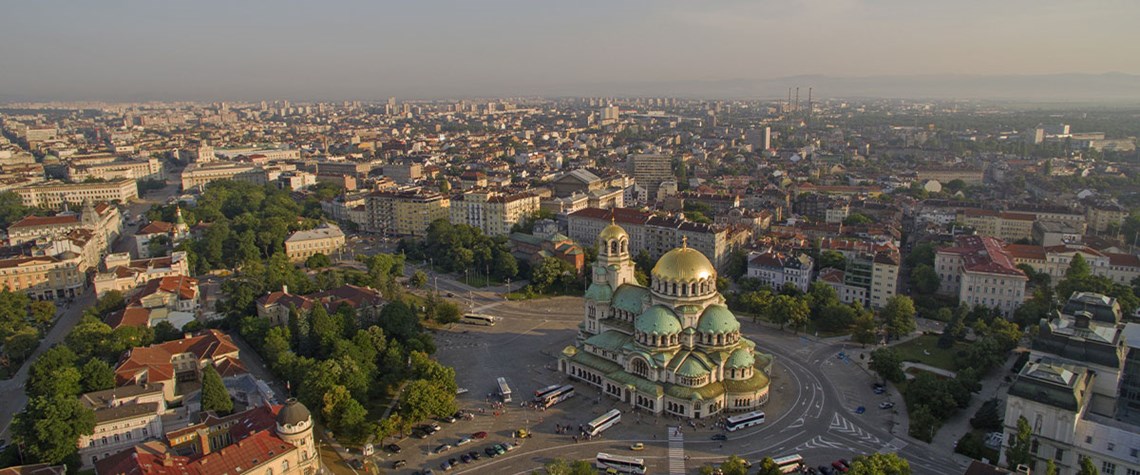
Sofia, capital of Bulgaria
Bulgaria caught between east and west
Russian interference and domestic political instability threaten the country’s dream of becoming a regional energy hub
Bulgaria is set to start receiving Azeri gas and US LNG via a long-anticipated link to Greece that is expected to become operational on 1 October. But the poorest EU member state—and one of Russia’s closest former satellites—is also headed into a bitterly contested election and faces an uncertain energy situation over the winter. The challenging position Bulgaria finds itself in is largely due to domestic dysfunction, analysts say, although the crisis is exacerbated by Russia’s decision in April to cut off gas supplies after the country’s former pro-Western coalition government, which collapsed in June, refused to pay in roubles. At the beginning of the year, Bulgaria was importing about 90p

Also in this section
28 April 2026
Datacentres will guzzle power at a ferocious rate, but the impact on wider energy markets will be far more complex than previously thought
28 April 2026
The key energy player faces balancing regional routes, political complexities, and creating a clear strategic vision for energy security
24 April 2026
The European Commission’s response to the Middle East crisis is to double down on its transition strategy, with plans for a new target on electrification
24 April 2026
A major new discovery by Eni and BP that can likely be fast-tracked to production is welcome news for Egypt as it scrambles to plug a widening supply gap and deal with rising import risks


