


Divided congress could lead to energy policy deadlock
US energy policy set for deadlock
A divided Congress leaves President Biden with few options for pushing through his energy agenda
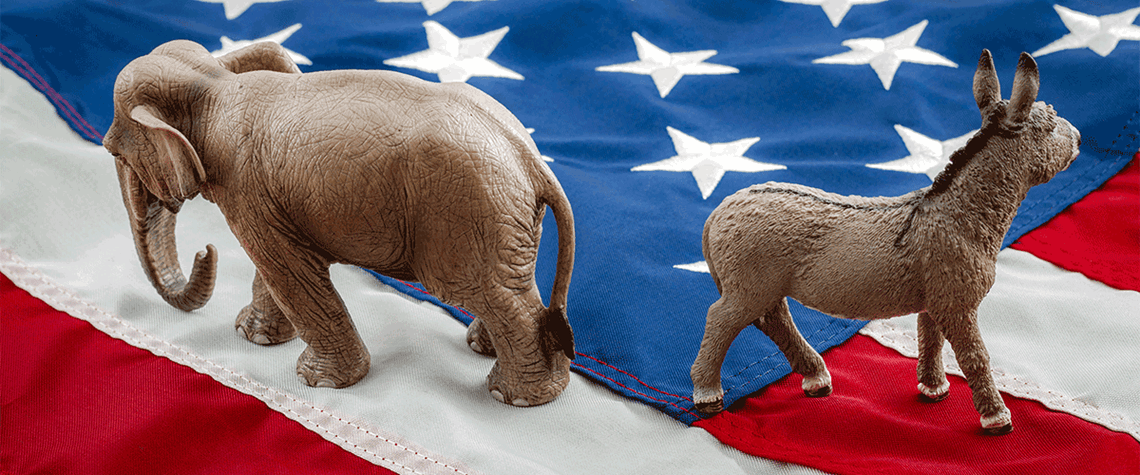
The anticipated ‘red wave’ in the US mid-term elections turned out to be little more than a ripple. The Republican Party failed to take control of the Senate and won only an extremely narrow majority in the House of Representatives. Nevertheless, after the new Congress is sworn in on 3 January, President Joe Biden will struggle to continue the legislative activism that has defined his first two years in office. “There will be political deadlock and it will be very hard to find common ground,” says Akan Kadyrbekov, oil markets analyst at consultancy Rystad Energy. “The room for major legislation just shrunk significantly.” The US oil and gas industry can breathe a sigh of relief that Biden wi

Also in this section
13 March 2026
Brussels is again weighing a cap on gas prices amid the Hormuz crisis, but the measure could backfire by deterring the LNG cargoes Europe urgently needs
12 March 2026
Emergency oil stocks provide a last line of defence to oil market shocks, so the IEA’s unprecedented 400m bl release represents something of a double-edged sword
12 March 2026
LPG could rapidly expand access to clean cooking across Africa and prevent hundreds of thousands of deaths from indoor air pollution each year, but infrastructure shortages and regulatory barriers are slowing investment and market growth
11 March 2026
Missiles over Dubai and disruption in Hormuz are testing the emirate’s reputation—and shaking the energy hub at the centre of the Gulf economy


