


Iraq won the crucial pipeline arbitration, but its prize is less than it hoped
Iraq-Turkey pipeline outlook unclear despite deal
Major issues remain despite agreement between Iraq and Kurdistan
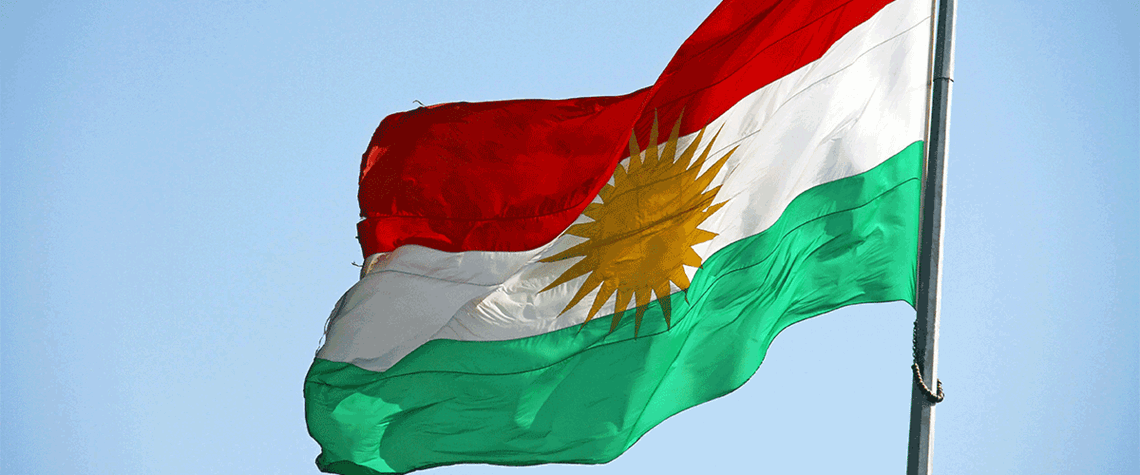
It is a strange victory. Iraq won the crucial pipeline arbitration, but its prize is much less than it hoped. Turkey, which had wanted to compromise, comes out as the enforcer. And despite an apparent breakthrough in talks, the Kurdistan region—not even a party to the case—is the loser on both sides. Back in 2014, the autonomous Kurdistan region, which operates its own petroleum sector despite Baghdad’s claims of supremacy, began exporting oil via a link to the Iraq-Turkey pipeline, originally built in 1976 from Iraq’s Kirkuk fields to Turkey’s Mediterranean port of Ceyhan. In May 2014, Iraq's federal oil ministry filed for arbitration in Paris against Turkey and the country's national pipe

Also in this section
13 March 2026
Brussels is again weighing a cap on gas prices amid the Hormuz crisis, but the measure could backfire by deterring the LNG cargoes Europe urgently needs
12 March 2026
Emergency oil stocks provide a last line of defence to oil market shocks, so the IEA’s unprecedented 400m bl release represents something of a double-edged sword
12 March 2026
LPG could rapidly expand access to clean cooking across Africa and prevent hundreds of thousands of deaths from indoor air pollution each year, but infrastructure shortages and regulatory barriers are slowing investment and market growth
11 March 2026
Missiles over Dubai and disruption in Hormuz are testing the emirate’s reputation—and shaking the energy hub at the centre of the Gulf economy


