


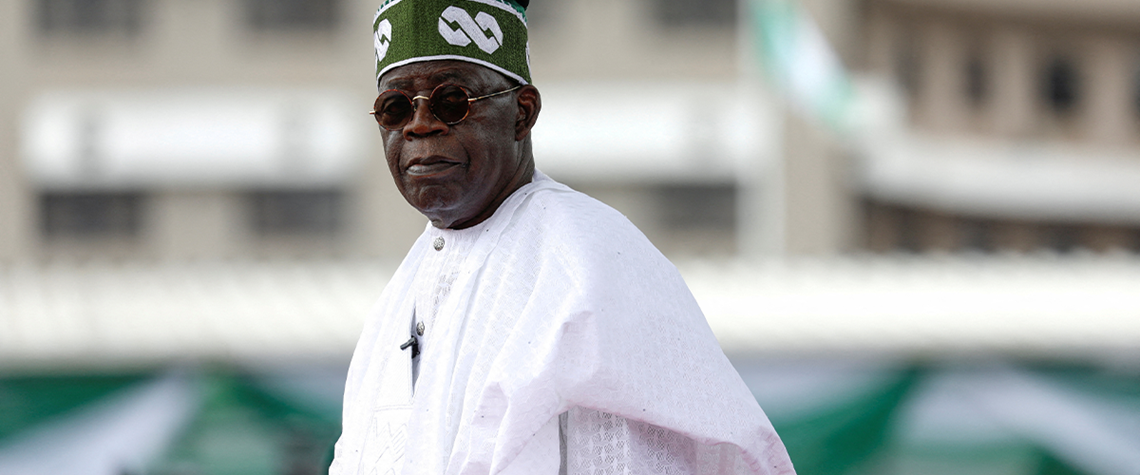
Nigerian president Bola Tinubu
Letter from Nigeria: New leader delivers shock therapy
President Tinubu has already targeted major reforms at the country’s dysfunctional downstream and upstream sectors, as well as overhauling monetary policy
Nigerians had low expectations of their new president, Bola Tinubu, who was elected with a record-low 36.61% of the vote in February. As co-founder of the All Progressives Congress party, which brought his predecessor Muhammadu Buhari to power in 2015, Tinubu was regarded as a continuity candidate, unlikely to deliver much-needed reform after eight years of sclerotic Buhari rule. However, Tinubu has made an immediate impact on Nigeria’s political economy, breaking the inertia that characterised Buhari’s tenure and upending the entire petroleum sector—starting with the downstream. Subsidy elimination Tinubu used his inauguration speech in May to end a nearly 50-year-old fuel subsidy. This had

Also in this section
13 March 2026
Brussels is again weighing a cap on gas prices amid the Hormuz crisis, but the measure could backfire by deterring the LNG cargoes Europe urgently needs
12 March 2026
Emergency oil stocks provide a last line of defence to oil market shocks, so the IEA’s unprecedented 400m bl release represents something of a double-edged sword
12 March 2026
LPG could rapidly expand access to clean cooking across Africa and prevent hundreds of thousands of deaths from indoor air pollution each year, but infrastructure shortages and regulatory barriers are slowing investment and market growth
11 March 2026
Missiles over Dubai and disruption in Hormuz are testing the emirate’s reputation—and shaking the energy hub at the centre of the Gulf economy


