


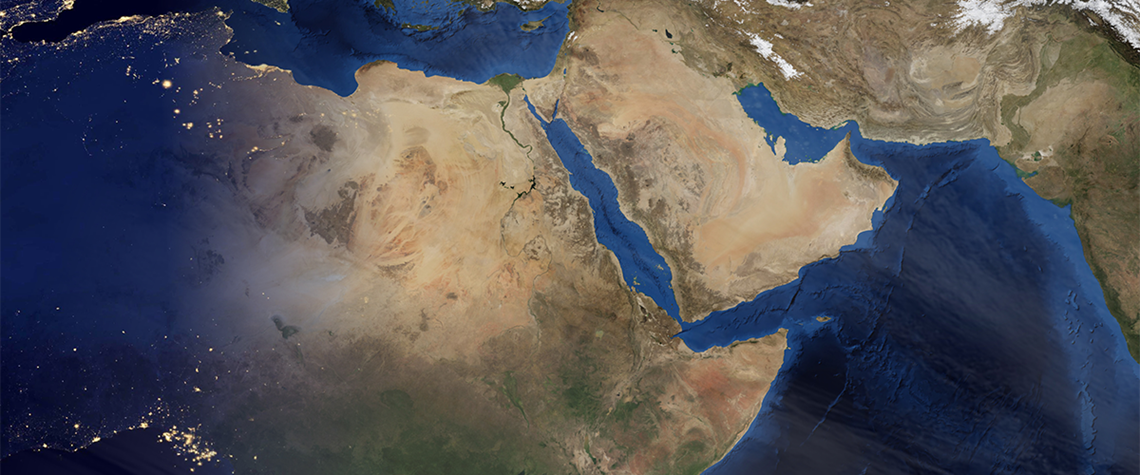
The Middle East also holds a significant role in global gas production
Shifting sands alter balance of power in Middle East
The region’s political situation and internal relationships are changing amid the growing influence of Russia and China
The Middle East can be divided into three categories of regional alliances: allies of Iran, allies of Saudi Arabia, and allies of Turkey. The allies of Iran consist of the Assad regime in Syria, Iraq’s federal government, Hamas and Islamic Jihad in Gaza, the Houthi rebels in Yemen and Hezbollah and the Amal Movement in Lebanon. All of these groups have been embroiled in internal crises, including territorial disintegration and political upheavals, as a result of regional competition. The allies of Saudi Arabia include the countries of the Gulf Cooperation Council (GCC)—excluding Qatar—as well as Egypt, Sudan and, to some extent, Jordan. Saudi Arabia also wields significant influence over Sun

Also in this section
13 March 2026
Brussels is again weighing a cap on gas prices amid the Hormuz crisis, but the measure could backfire by deterring the LNG cargoes Europe urgently needs
12 March 2026
Emergency oil stocks provide a last line of defence to oil market shocks, so the IEA’s unprecedented 400m bl release represents something of a double-edged sword
12 March 2026
LPG could rapidly expand access to clean cooking across Africa and prevent hundreds of thousands of deaths from indoor air pollution each year, but infrastructure shortages and regulatory barriers are slowing investment and market growth
11 March 2026
Missiles over Dubai and disruption in Hormuz are testing the emirate’s reputation—and shaking the energy hub at the centre of the Gulf economy


