


Newsletters | Request Trial | Log in | Advertise | Digital Issue   |   Search
  • Upstream
  • Midstream & Downstream
  • Gas & LNG
  • Trading & Markets
  • Corporate & Finance
  • Geopolitics
  • Podcasts
Search
Related Articles
The EU’s electric dreams
The European Commission’s response to the Middle East crisis is to double down on its transition strategy, with plans for a new target on electrification
Drone power: Ukraine escalates its war on Russian oil
Sustained strikes on ports, terminals and refineries are testing the resilience of Russia’s oil export system, yet rapid repairs, rerouting and surging prices mean the campaign has yet to deliver a decisive blow
Letter from Iran: Nuclear miscalculation
The regime’s policy of using nuclear ambiguity as a deterrent may have failed but it has realised it has other cards to play, while its neighbours are reappraising their approach to security
Letter from the UAE: The GCC and Iran – No easy way out
For GCC producers, the ceasefire may prove more destabilising than the war itself: exports remain constrained, and control over Hormuz has shifted in ways that could endure
China’s secure energy transition
Alongside a rapid continued build-out of renewables, China’s latest five-year plan stresses the value of domestic hydrocarbon production for energy security and calls for increased Russian gas imports
Do not politicise a geopolitical crisis – Ydreos
The Strait of Hormuz disruption has exposed weakness in the global energy system and reignited debate over security of supply, but it should not be used to justify an accelerated shift away from fossil fuels, says the secretary general of the IGU
A bigger and longer crisis
Attacks on key oil and LNG assets across the Gulf mean a prolonged supply disruption, with damage to Qatar’s export capacity undermining confidence in the global gas system
How Russia gains from the Hormuz supply shock
The US may be systemically stripping Russia of key geopolitical allies, but Moscow can reap rewards from the Hormuz crisis, both in the short and long term
Letter from Dubai: A safe haven under fire
Missiles over Dubai and disruption in Hormuz are testing the emirate’s reputation—and shaking the energy hub at the centre of the Gulf economy
Trump’s bid to reshape the global energy order
From Venezuela to Hormuz, the US—backed by the most powerful military force ever assembled—is redrawing not only oil and gas flows but also the global balance of energy power
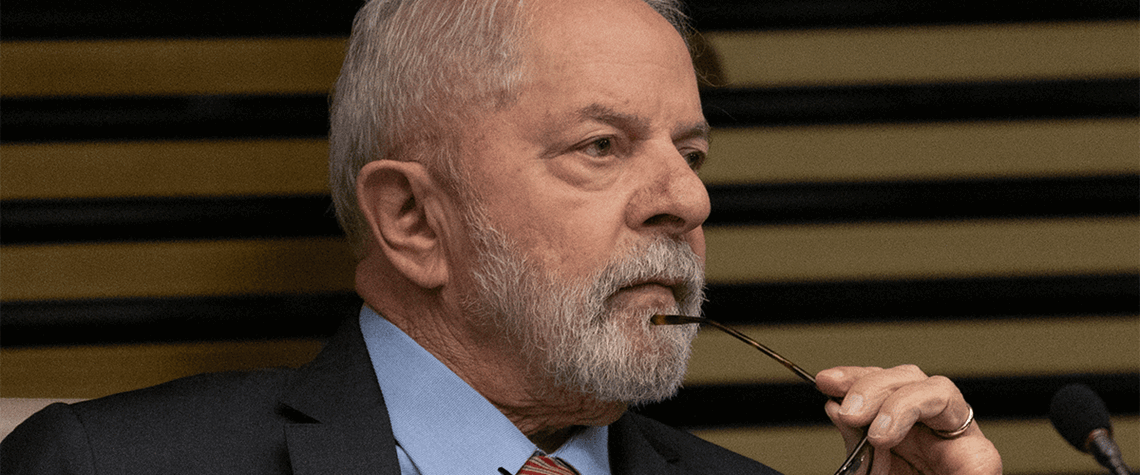
Brazilian President Luiz Inacio Lula da Silva
Brazil Politics
Marat Aslan
25 January 2024
Follow @PetroleumEcon
Forward article link
Share PDF with colleagues

Brazil seeks greater oil market influence

Despite environmental criticism, President Lula sees opportunity to build bridges with OPEC+ allies

Latin America’s largest oil producer welcomed in the new year as the newest recruit to the OPEC+ alliance with oil output booming and ambitions to help shape global pricing. The government boasted almost 20% annual production growth heading into December and has ambitions to make the country the fourth-largest oil producer by 2030. Surging domestic production is at the heart of Brazil’s recent admission into OPEC+. The pact recognises the country’s increasing influence, particularly as pre-salt oil ramps up, while the Brazilian government also wants to build tighter economic and political relations with the world’s largest exporters. “OPEC+ membership would allow Brazil to forge closer ties

Also in this section
Iraq’s pipeline dilemma
28 April 2026
The key energy player faces balancing regional routes, political complexities, and creating a clear strategic vision for energy security
The EU’s electric dreams
24 April 2026
The European Commission’s response to the Middle East crisis is to double down on its transition strategy, with plans for a new target on electrification
Eni and BP score big in Egypt
24 April 2026
A major new discovery by Eni and BP that can likely be fast-tracked to production is welcome news for Egypt as it scrambles to plug a widening supply gap and deal with rising import risks
Coal-to-gas switch drives Asian demand
24 April 2026
Countries in the region are turning to the cleaner-burning fuel for power generation, driving demand for imports

Share PDF with colleagues

COPYRIGHT NOTICE: PDF sharing is permitted internally for Petroleum Economist Gold Members only. Usage of this PDF is restricted by <%= If(IsLoggedIn, User.CompanyName, "")%>’s agreement with Petroleum Economist – exceeding the terms of your licence by forwarding outside of the company or placing on any external network is considered a breach of copyright. Such instances are punishable by fines of up to US$1,500 per infringement
Send

Forward article Link

Send
Sign Up For Our Newsletter
Project Data
Maps
Podcasts
Social Links
Featured Video
Home
  • About us
  • Subscribe
  • Reaching your audience
  • PE Store
  • Terms and conditions
  • Contact us
  • Privacy statement
  • Cookies
  • Sitemap
All material subject to strictly enforced copyright laws © 2025 The Petroleum Economist Ltd
Cookie Settings
;

Search
