


Latin America's continental contraction
The region has seen a decade of surging crude consumption come to a crashing halt. Refining woes mean imports are still on the rise
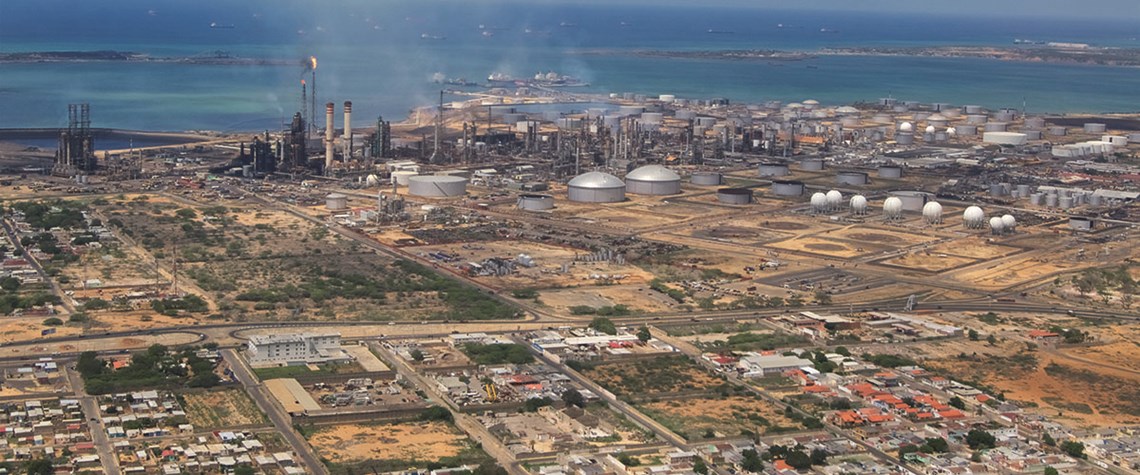
For most of the world, the economics of fuel demand are fairly straightforward. When oil prices fall, consumers take advantage and burn more of the stuff. As fuel prices fell in the US, drivers almost immediately started hopping back into gas-guzzling SUVs and rekindled their love of the great American road trip. Drivers across Europe, China and elsewhere have also taken advantage of cheaper pump prices, fueling strong global demand growth. In Latin America's commodity-dependent economies, though, that calculus is flipped on its head. Crashing prices for crude and other raw materials have inflicted economic pain across the region, hitting hard an emergent middle class that was behind a decad

Also in this section
13 March 2026
Brussels is again weighing a cap on gas prices amid the Hormuz crisis, but the measure could backfire by deterring the LNG cargoes Europe urgently needs
12 March 2026
Emergency oil stocks provide a last line of defence to oil market shocks, so the IEA’s unprecedented 400m bl release represents something of a double-edged sword
12 March 2026
LPG could rapidly expand access to clean cooking across Africa and prevent hundreds of thousands of deaths from indoor air pollution each year, but infrastructure shortages and regulatory barriers are slowing investment and market growth
11 March 2026
Missiles over Dubai and disruption in Hormuz are testing the emirate’s reputation—and shaking the energy hub at the centre of the Gulf economy


