


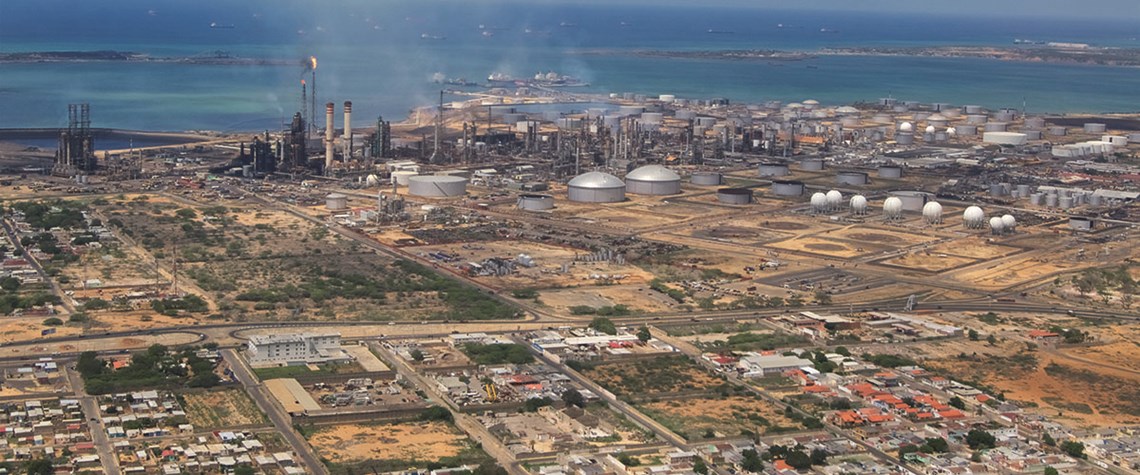
Latin America's continental contraction
The region has seen a decade of surging crude consumption come to a crashing halt. Refining woes mean imports are still on the rise
For most of the world, the economics of fuel demand are fairly straightforward. When oil prices fall, consumers take advantage and burn more of the stuff. As fuel prices fell in the US, drivers almost immediately started hopping back into gas-guzzling SUVs and rekindled their love of the great American road trip. Drivers across Europe, China and elsewhere have also taken advantage of cheaper pump prices, fueling strong global demand growth. In Latin America's commodity-dependent economies, though, that calculus is flipped on its head. Crashing prices for crude and other raw materials have inflicted economic pain across the region, hitting hard an emergent middle class that was behind a decad

Also in this section
28 April 2026
Datacentres will guzzle power at a ferocious rate, but the impact on wider energy markets will be far more complex than previously thought
28 April 2026
The key energy player faces balancing regional routes, political complexities, and creating a clear strategic vision for energy security
24 April 2026
The European Commission’s response to the Middle East crisis is to double down on its transition strategy, with plans for a new target on electrification
24 April 2026
A major new discovery by Eni and BP that can likely be fast-tracked to production is welcome news for Egypt as it scrambles to plug a widening supply gap and deal with rising import risks


