


Refiners should expect the unexpected
Trend spotting is easier said than done in the refining sector
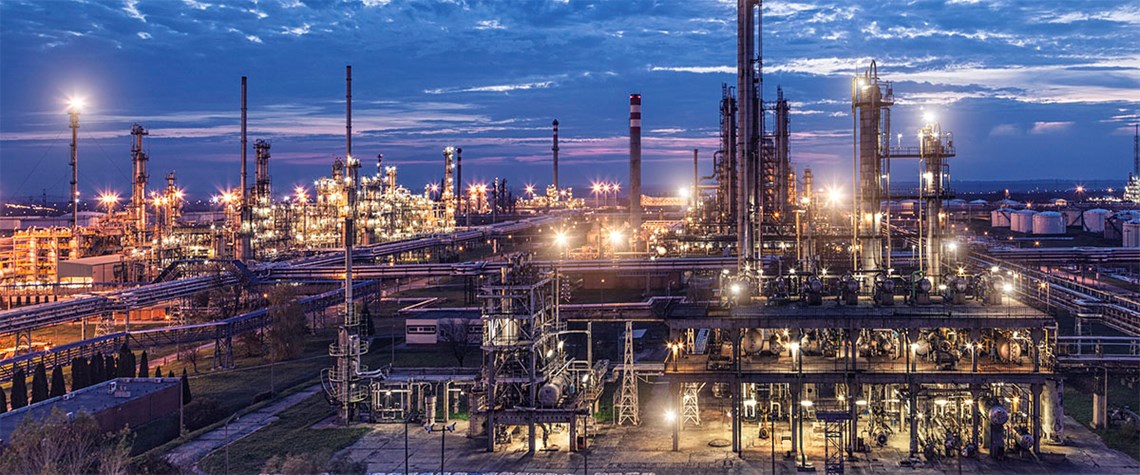
Refiners will need to be nimble to survive in a world of reduced demand for fossil fuels from the transport sector and those plans need to be put in motion now if they are to survive. Mol is a case in point. Around 70% of the company's output from its refineries in Hungary, Croatia and Slovakia, which mainly serve central European markets, is refined products for the transport sector. By 2030, the company plans to increase its non-fuel production, largely targeting the petrochemicals industry, to 50% of total output, compared with the current 30%. "This does not mean we will destroy our capability to produce diesel and gasoline [if margins stay high]," says Ferenc Horvath, head of the compan

Also in this section
5 March 2026
Gas is a central pillar of Colombia’s energy system, but declining production poses a significant challenge, and LNG will be increasingly needed as a stopgap. A recent major offshore gas discovery offers hope, but policy improvements are also required, Camilo Morales, secretary general of Naturgas, the Colombian gas association, tells Petroleum Economist
4 March 2026
The continent’s inventories were already depleted before conflict erupted in the Middle East, causing prices to spike ahead of the crucial summer refilling season
4 March 2026
The US president has repeatedly promised to lower gasoline prices, but this ambition conflicts with his parallel aim to increase drilling and could be upended by his war against Iran
4 March 2026
With the Strait of Hormuz effectively closed following US-Israel strikes and Iran’s retaliatory escalation, Fujairah has become the region’s critical pressure release valve—and is now under serious threat


