


30 January 2018
Fuels at sea
Ships must pollute less. Their owners can't ignore the impending regulatory changes
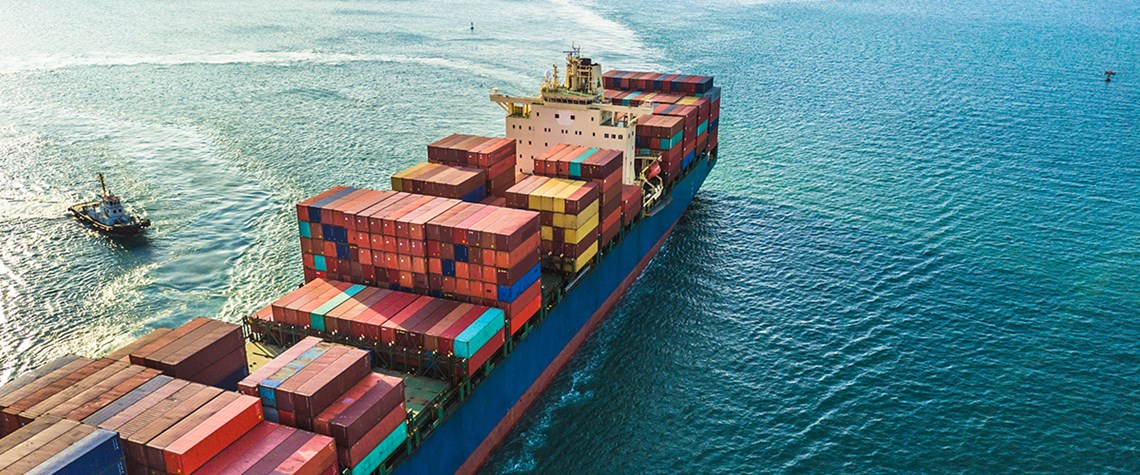
The International Maritime Organisation (IMO) deadline for emission control in world shipping is fast approaching. Beginning in 2020, vessels worldwide must limit their emissions to the equivalent of burning 0.5% sulphur-content fuels, whether by burning low-sulphur fuels themselves or by installing "scrubbers" to treat exhaust emissions. The change is likely to affect around 4m barrels a day of oil demand. Competition between new blends of oil fuels (very-low-sulphur fuel oil or marine diesels), scrubbers, or liquefied natural gas is likely to be fierce but evolutionary. Each competitor presents different challenges: scrubbers affect fuel efficiency and may be difficult to finance when so m

Also in this section
23 January 2026
A strategic pivot away from Russian crude in recent weeks tees up the possibility of improved US-India trade relations
23 January 2026
The signing of a deal with a TotalEnergies-led consortium to explore for gas in a block adjoining Israel’s maritime area may breathe new life into the country’s gas ambitions
22 January 2026
As Saudi Arabia pushes mining as a new pillar of its economy, Saudi Aramco is positioning itself at the intersection of hydrocarbons, minerals and industrial policy
22 January 2026
New long-term deal is latest addition to country’s rapidly evolving supply portfolio as it eyes role as regional gas hub


