


Newsletters | Request Trial | Log in | Advertise | Digital Issue   |   Search
  • Upstream
  • Midstream & Downstream
  • Gas & LNG
  • Trading & Markets
  • Corporate & Finance
  • Geopolitics
  • Podcasts
Search
Related Articles
Explainer: How the EU will wean itself off Russian gas
Questions remain about how the phase-out will be implemented and enforced in practice
China seizes oil security opportunity
A combination of geopolitical uncertainty and OPEC+ barrels has driven a renewed focus on building strategic oil stocks despite flagging demand
Mideast states power up their gas priorities
Saudi Arabia, the UAE and Qatar are ploughing resources into gas—with a growing eye on facilitating domestic use in power and value-added sectors
Arctic LNG comes in from the cold
Beijing now appears prepared to accept discounted Russian LNG, even at the cost of heightened sanctions risk
MENA's gas metamorphosis
Across the Middle East and North Africa, gas is taking an enhanced role in helping build out economies that need to diversify away from crude oil dependence
From green goals to ground realities
As the EU remains deadlocked over its 2040 emissions goal, the IEA has tempered its climate rhetoric, forecasting that oil and gas will continue growing over the coming decades
Fear and loathing in US LNG buildout
Overall gas optimism is blighted by concerns over lingering regulatory and infrastructure hurdles that could hamper expansion of US LNG exports, weaken security and stifle AI ambitions
Hungary defends Russian energy use
Claims the country lacks alternatives to Russian oil and gas may be exaggerated, although higher costs and reduced security of supply are legitimate concerns.
India’s LNG falling short
More needs to be done to meet the government’s ambitious targets for gas
YPF reinvents itself
Under a new Argentine president and company CEO, YPF has shed dozens of non-core assets as it doubles down on the Vaca Muerta shale and LNG
Floating storage Storage LNG EU
Bill Barnes
12 October 2018
Follow @PetroleumEcon
Forward article link
Share PDF with colleagues

Liquidity fuels LNG storage growth

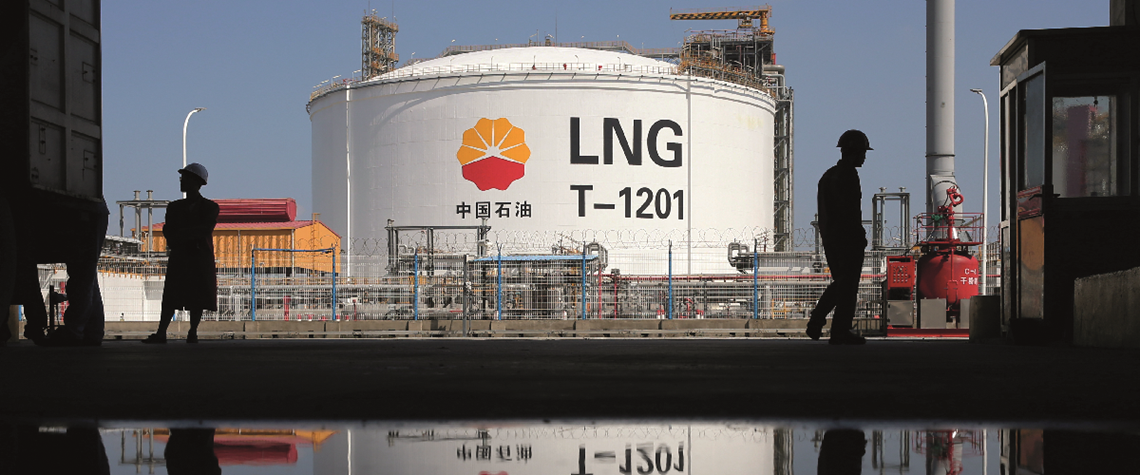
Commercial storage of LNG is on the rise as the market evolves, and emissions controls loom larger on the horizon

Increased liquidity in the world's liquefied natural gas market, the impending cuts in permissible marine fuels emissions limits and increased use of LNG as a road fuel are combining to boost active interest in commercial LNG storage. Leading market participants are increasing their presence in the sector, particularly in Europe and Singapore, while the US lags. The International Gas Union's 2018 annual report notes that re-exporting activity from LNG import terminals continues to grow. European terminals have traditionally led this trade, with 14 of the region's 26 operational LNG import terminals capable of reloading, including-since 2016-Lithuania's Klaipedos Nafta floating storage and re

Also in this section
Explainer: What do Russia’s oil giants own overseas?
4 December 2025
Time is running out for Lukoil and Rosneft to divest international assets that will be mostly rendered useless to them when the US sanctions deadline arrives in mid-December
Letter from Saudi Arabia: US-Saudi energy ties enter a new phase
Opinion
3 December 2025
Aramco’s pursuit of $30b in US gas partnerships marks a strategic pivot. The US gains capital and certainty; Saudi Arabia gains access, flexibility and a new export future
Letter from London: Oil’s golden triangle
Opinion
2 December 2025
The interplay between OPEC+, China and the US will define oil markets throughout 2026
Libya’s upstream caught between hope and caution
1 December 2025
The North African producer’s first bidding round in almost two decades is an important milestone but the recent extension suggests a degree of trepidation

Share PDF with colleagues

COPYRIGHT NOTICE: PDF sharing is permitted internally for Petroleum Economist Gold Members only. Usage of this PDF is restricted by <%= If(IsLoggedIn, User.CompanyName, "")%>’s agreement with Petroleum Economist – exceeding the terms of your licence by forwarding outside of the company or placing on any external network is considered a breach of copyright. Such instances are punishable by fines of up to US$1,500 per infringement
Send

Forward article Link

Send
Sign Up For Our Newsletter
Project Data
Maps
Podcasts
Social Links
Featured Video
Home
  • About us
  • Subscribe
  • Reaching your audience
  • PE Store
  • Terms and conditions
  • Contact us
  • Privacy statement
  • Cookies
  • Sitemap
All material subject to strictly enforced copyright laws © 2025 The Petroleum Economist Ltd
Cookie Settings
;

Search
