


Shipping—let battle commence
Competition to provide ships with a low-sulphur alternative will hot up as the IMO deadline approaches. It's not clear which fuel will win
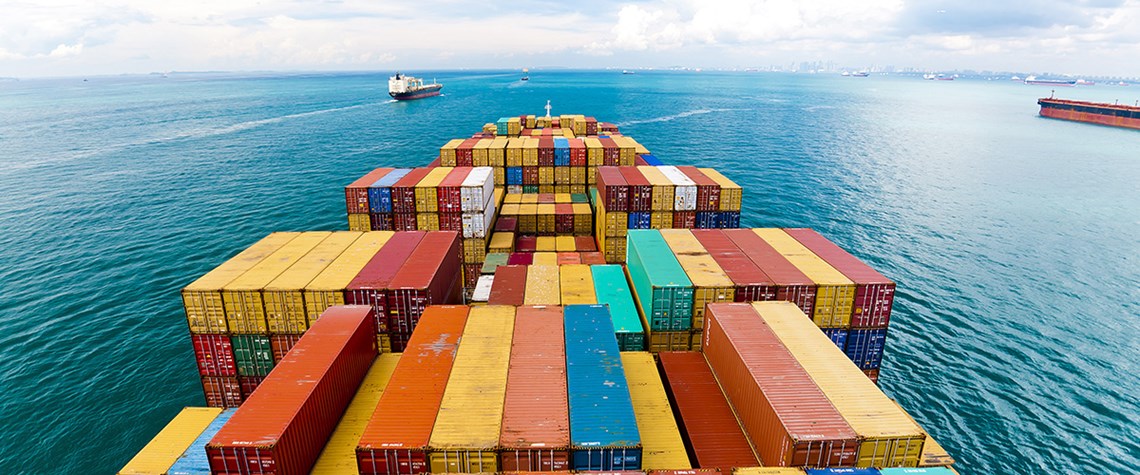
The battle between competing fuels for shares of the marine propulsion market when the International Maritime Organization's (IMO) 0.5% sulphur-fuel content limit becomes effective in 2020 is heating up. On current trends, fuel oil may well maintain its primacy over marine gasoil and new competitor liquefied natural gas. International organisations pondering the outlook for the marine fuels market, which is estimated to account for up to 5m barrels a day of world oil use, have differed on the outlook for fuel oil demand. Marine fuel oil use accounts for about 63% of world fuel oil consumption, and quality restrictions on fuels used by land-based consumption will likely increase that proporti

Also in this section
13 March 2026
Brussels is again weighing a cap on gas prices amid the Hormuz crisis, but the measure could backfire by deterring the LNG cargoes Europe urgently needs
12 March 2026
Emergency oil stocks provide a last line of defence to oil market shocks, so the IEA’s unprecedented 400m bl release represents something of a double-edged sword
12 March 2026
LPG could rapidly expand access to clean cooking across Africa and prevent hundreds of thousands of deaths from indoor air pollution each year, but infrastructure shortages and regulatory barriers are slowing investment and market growth
11 March 2026
Missiles over Dubai and disruption in Hormuz are testing the emirate’s reputation—and shaking the energy hub at the centre of the Gulf economy


