


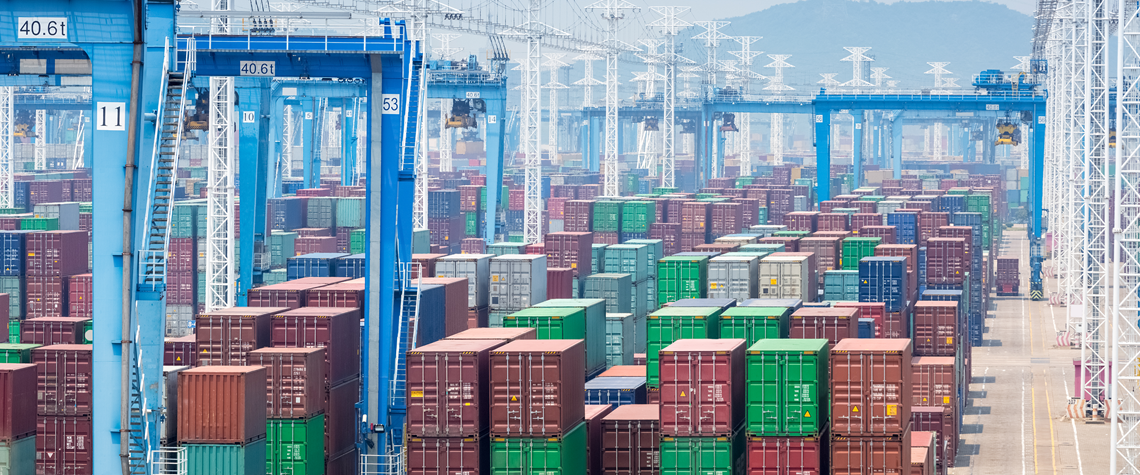
The port of Ningbo-Zhoushan, in Zhejiang province south of Hangzhou Bay
China targets Singapore bunkering
Chinese tax reform will trigger a gradual shift in the bunker fuel market away from Asia’s dominant hub
The timing of a package of Chinese tax reforms will have a greater impact on the future of the Asian bunker fuel market than the new International Maritime Organization (IMO) rules on sulphur in maritime fuel that came into effect on 1 January. China applies both consumer and value-added taxes to bunker fuels, even for bonded sales. This leads blenders to import about 90pc of the blendstocks, mostly from Singapore and Malaysia. “The tax is the big game changer,” says Dr Michal Meidan, director of the China Energy Programme at Oxford Institute for Energy Studies. Chinese refiners, she says, have been lobbying for tax relief for well over a year. The IMO has banned ships from using fuels with

Also in this section
13 March 2026
Brussels is again weighing a cap on gas prices amid the Hormuz crisis, but the measure could backfire by deterring the LNG cargoes Europe urgently needs
12 March 2026
Emergency oil stocks provide a last line of defence to oil market shocks, so the IEA’s unprecedented 400m bl release represents something of a double-edged sword
12 March 2026
LPG could rapidly expand access to clean cooking across Africa and prevent hundreds of thousands of deaths from indoor air pollution each year, but infrastructure shortages and regulatory barriers are slowing investment and market growth
11 March 2026
Missiles over Dubai and disruption in Hormuz are testing the emirate’s reputation—and shaking the energy hub at the centre of the Gulf economy


