


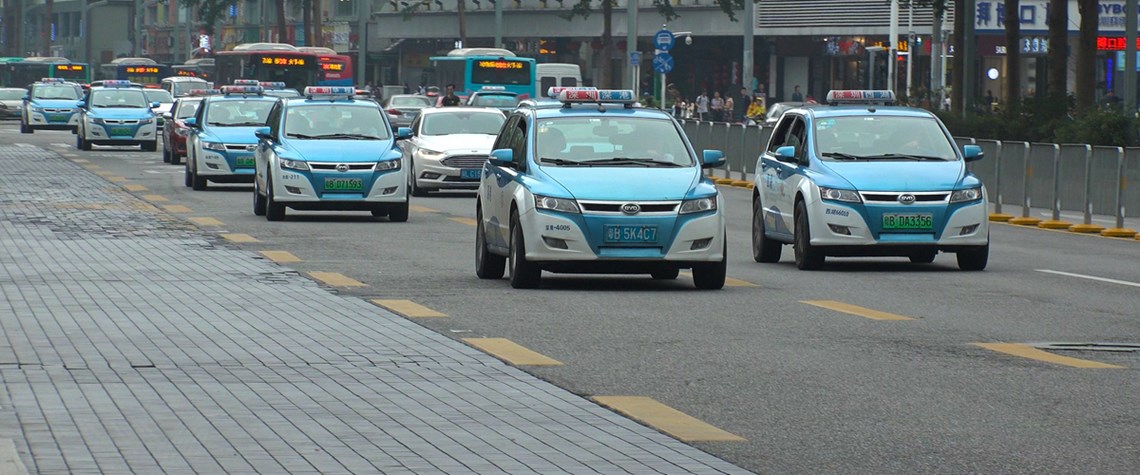
Electric taxis in Shenzhen, China
Cleantech to play limited role in determining Asian demand
Oil and gas requirements in the region are unlikely to hinge on wind and solar build-out or a move to electric vehicles, at least in the near-term
Asia-Pacific countries are setting ambitious targets for expanding their renewable energy capacities as part of pathways to lower-carbon and even net-zero futures, while electric vehicles (EVs) are growing their market share. But, for regional hydrocarbons demand, these may well remain largely sideshows for the next few years. The installed capacity of renewables projects in Asia is set to reach 815GW by 2025, according to consultancy Rystad Energy. This is an increase from a 2020 level of 517GW—with solar capacity rising from 215GW to 382GW and onshore wind from 266GW to 341GW. Gas is obviously more at risk than oil of being directly impacted by renewables as a competing provider of electro

Also in this section
13 March 2026
Brussels is again weighing a cap on gas prices amid the Hormuz crisis, but the measure could backfire by deterring the LNG cargoes Europe urgently needs
12 March 2026
Emergency oil stocks provide a last line of defence to oil market shocks, so the IEA’s unprecedented 400m bl release represents something of a double-edged sword
12 March 2026
LPG could rapidly expand access to clean cooking across Africa and prevent hundreds of thousands of deaths from indoor air pollution each year, but infrastructure shortages and regulatory barriers are slowing investment and market growth
11 March 2026
Missiles over Dubai and disruption in Hormuz are testing the emirate’s reputation—and shaking the energy hub at the centre of the Gulf economy


