


More change ahead for the shipping sector
An unwinding of some Covid-related effects might challenge VLSFO’s initial IMO 2020 win
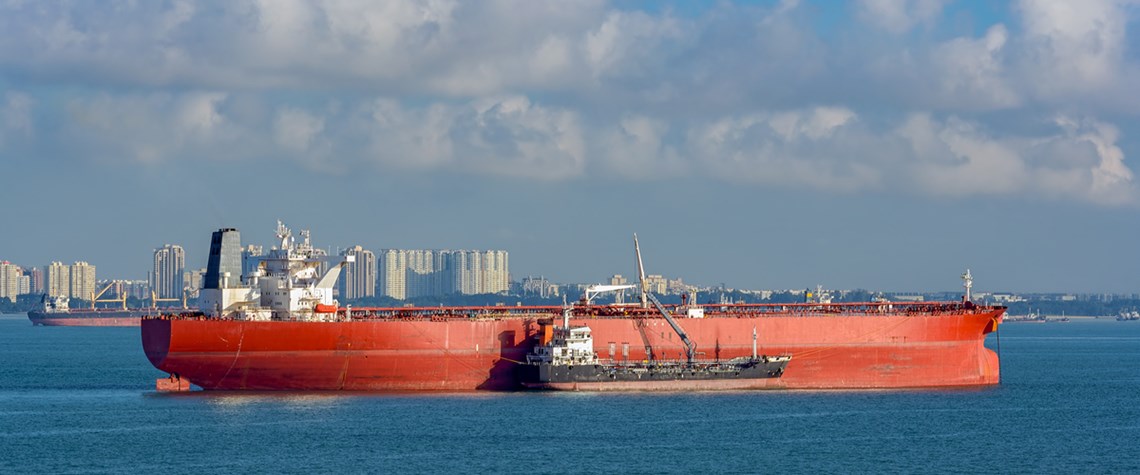
It is easy to overlook, amid the fallout from and response to Covid-19, the seismic shift that fundamentally altered the global bunker industry over the last year. At the beginning of January, the permissible sulphur content of marine fuels was lowered from 3.5pc to 0.5pc, a seemingly small regulatory change with lasting implications across multiple industries. IMO 2020, as the regulation is known, has forever transformed the global bunker market, although many of the more dire expectations surrounding the regulation have been temporarily blunted by the market reaction to Covid-19. One year after its rollout, the bunker market remains in a precarious position. The new sulphur standard has s

Also in this section
13 March 2026
Brussels is again weighing a cap on gas prices amid the Hormuz crisis, but the measure could backfire by deterring the LNG cargoes Europe urgently needs
12 March 2026
Emergency oil stocks provide a last line of defence to oil market shocks, so the IEA’s unprecedented 400m bl release represents something of a double-edged sword
12 March 2026
LPG could rapidly expand access to clean cooking across Africa and prevent hundreds of thousands of deaths from indoor air pollution each year, but infrastructure shortages and regulatory barriers are slowing investment and market growth
11 March 2026
Missiles over Dubai and disruption in Hormuz are testing the emirate’s reputation—and shaking the energy hub at the centre of the Gulf economy


