


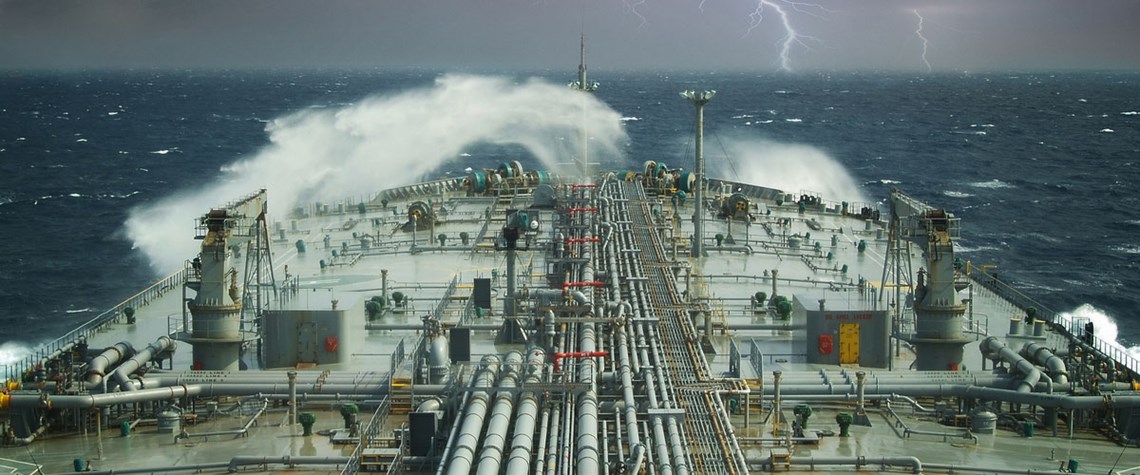
LNG is already the industry’s clear choice as transitional fuel
Shipping faces tough decarbonisation choices
Supply chains will be critical as the maritime sector looks for alternative fuels
Shipping accounts for significant greenhouse gas (GHG) emissions, and the industry is accelerating its efforts to meet ambitious UN decarbonisation goals. But it remains unclear which competing solution—or combination of solutions—will prevail. The International Maritime Organisation (IMO) is targeting a 50pc cut in GHG emissions from shipping by 2050, relative to 2008 figures, and wants to slash the sector’s carbon intensity—the amount of CO2 emitted per ton-mile—by 40pc by 2030 and 70pc by 2050. A coalition of IMO member states —which together control a major share of the world’s shipping tonnage and include Greece, Liberia, Japan, Malta, Switzerland and Singapore—propose the organisation

Also in this section
28 April 2026
Oil traders warning of $200/bl oil are wrong, and the market should be wary of proclamations that the impact of the oil shortage has only begun to be felt and a that a ‘harsh adjustment’ is coming—even for industrialised nations
28 April 2026
Restoring supply from Saudi Arabia, the UAE, Kuwait, Qatar, Bahrain and Iraq involves complexities far beyond simply adjusting operational controls
28 April 2026
Datacentres will guzzle power at a ferocious rate, but the impact on wider energy markets will be far more complex than previously thought
28 April 2026
The key energy player faces balancing regional routes, political complexities, and creating a clear strategic vision for energy security


