


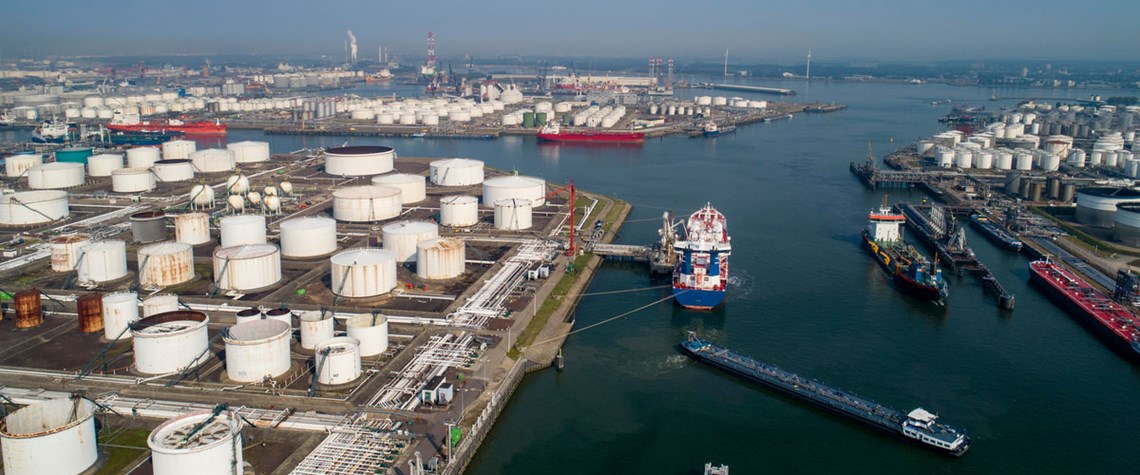
Rotterdam is a hub for European refining activity
EU refineries prepare for life without Russian crude
European refiners have strong incentives to adapt to the technological and logistical challenges of the continent turning away from Russia
European refineries are racing to secure alternative supplies and reconfigure their operations ahead of the start of the EU’s ban on seaborne Russian crude imports on 5 December. The refiners are incentivised by record-high margins for diesel and other products, as well as the looming ban on imports of Russian refined products from 5 February. Nevertheless, considerable logistical and technological challenges remain. The G7 countries announced an unspecified price cap on Russian oil shipments in early September as a kind of addendum to the decision to cut out Russian crude imports. However, traders and refiners alike report confusion in the markets as to the precise parameters of the restric

Also in this section
13 March 2026
Brussels is again weighing a cap on gas prices amid the Hormuz crisis, but the measure could backfire by deterring the LNG cargoes Europe urgently needs
12 March 2026
Emergency oil stocks provide a last line of defence to oil market shocks, so the IEA’s unprecedented 400m bl release represents something of a double-edged sword
12 March 2026
LPG could rapidly expand access to clean cooking across Africa and prevent hundreds of thousands of deaths from indoor air pollution each year, but infrastructure shortages and regulatory barriers are slowing investment and market growth
11 March 2026
Missiles over Dubai and disruption in Hormuz are testing the emirate’s reputation—and shaking the energy hub at the centre of the Gulf economy


