


Newsletters | Request Trial | Log in | Advertise | Digital Issue   |   Search
  • Upstream
  • Midstream & Downstream
  • Gas & LNG
  • Trading & Markets
  • Corporate & Finance
  • Geopolitics
  • Podcasts
Search
Related Articles
LNG faces growing shipping constraints
New regulations are likely to restrict an already limited pool of vessels capable of transporting gas
Ukraine fallout continues to support tanker freight rates
Freight rates for clean tankers—the specialist vessels that transport refined petroleum products—reached multi-year highs in 2022 and are likely to remain strong going into 2023
Freight struggles with regulatory uncertainty
Lack of clarity is affecting demand for new tankers, but LNG vessel orders are booming
G7 targets Russian access to tanker insurance
Group wants to cut Moscow’s hydrocarbon revenues, but even the most stringent sanctions have their limits out at sea
Russia-linked tankers ‘going dark’
Shipping analysts Windward see a rise in suspicious activity by Russia-affiliated vessels since start of Ukraine war
Market vagaries may still buffet merging tanker heavyweights
Frontline-Euronav deal will create one of the world’s largest tanker fleets, but price-setting power may remain outside the combination’s reach
Tanker market feels impact of Ukraine crisis
The tanker freight market is having to deal with sanctions, uncertainties and shifting trade flows in the aftermath of Russia’s invasion
Marine fuel market enters troubled waters
Ripple effect from Russia’s war in Ukraine may result in significant supply disruption
Decarbonising shipping: Where are we now?
Regulators have yet to force the sector to decarbonise, but larger shipping lines and operators are planning for a low-carbon future
Outlook 2022: Zero-carbon shipping needs significant R&D investment
The shipping industry is charting its own course to decarbonisation
Frontline-Euronav merger will create one of the world’s largest privately-owned tanker fleets
Shipping Tankers
Simon Ferrie
26 April 2022
Follow @PetroleumEcon
Forward article link
Share PDF with colleagues

Market vagaries may still buffet merging tanker heavyweights

Frontline-Euronav deal will create one of the world’s largest tanker fleets, but price-setting power may remain outside the combination’s reach

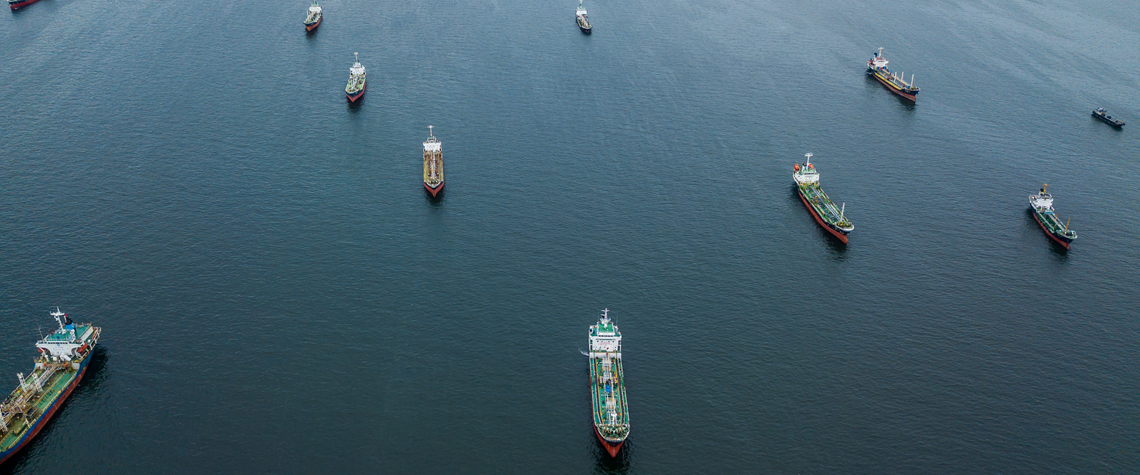
The merger of New York-listed shipowners Euronav and Frontline will create one of the world’s largest privately-owned tanker fleets and the biggest in the very large crude carrier (VLCC) and Suezmax sectors. Shareholders from both companies have approved the deal, which will combine the shipowners under the name Frontline. Euronav and Frontline’s shareholders will own around 59pc and 41pc respectively of the new company, which will have a market cap of c.$4.2bn. The merger “would establish a market leader” in the tanker sector, says Frontline CEO John Fredriksen, as well as bring “significant synergies... and increase fleet utilisation”. The combined fleet will comprise 67 VLCCs, two of the

Also in this section
Canada’s Asian pivot faces hurdles
12 December 2025
The federal government is working with Alberta to improve the country’s access to Asian markets and reduce dependence on the US, but there are challenges to their plans
Outlook 2026
12 December 2025
The latest edition of our annual Outlook publication, titled 'The shape of energy to come: Creating unique pathways and managing shifting alliances', is available now
New Zealand is back open for business
11 December 2025
The removal of the ban on oil and gas exploration and an overhaul of the system sends all the right messages for energy security, affordability and sustainability
New Zealand’s gas horror story will haunt for years to come
10 December 2025
The economic and environmental cost of the seven-year exploration ban will be felt long after its removal

Share PDF with colleagues

COPYRIGHT NOTICE: PDF sharing is permitted internally for Petroleum Economist Gold Members only. Usage of this PDF is restricted by <%= If(IsLoggedIn, User.CompanyName, "")%>’s agreement with Petroleum Economist – exceeding the terms of your licence by forwarding outside of the company or placing on any external network is considered a breach of copyright. Such instances are punishable by fines of up to US$1,500 per infringement
Send

Forward article Link

Send
Sign Up For Our Newsletter
Project Data
Maps
Podcasts
Social Links
Featured Video
Home
  • About us
  • Subscribe
  • Reaching your audience
  • PE Store
  • Terms and conditions
  • Contact us
  • Privacy statement
  • Cookies
  • Sitemap
All material subject to strictly enforced copyright laws © 2025 The Petroleum Economist Ltd
Cookie Settings
;

Search
