


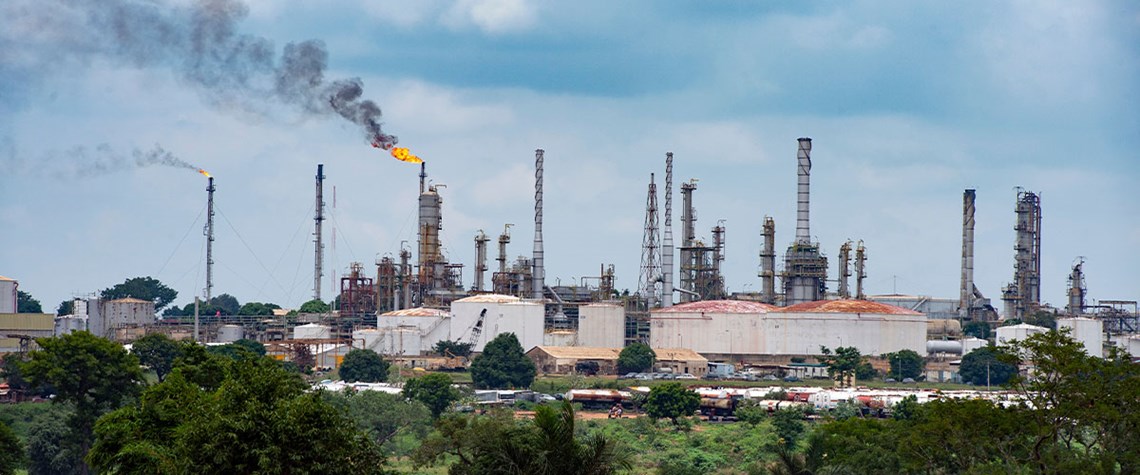
The refinery at Kaduna
Nigeria adapts to end of fuel subsidies
The withdrawal of discounts has already severely impacted domestic product demand and bolstered long-stalled refinery refurbishment projects
Nigeria relies heavily on imports for most of its refined fuels due to the prolonged neglect that led to the closure of local refineries. Until the removal of subsidies this year, the cost of providing discounted fuels was enormous. NNPC expended a staggering NGN4.39t ($5.3b) on petroleum subsidies in 2022, equating to an expenditure of more than NGN365b per month. At the same time, although the country’s oil production is gradually rebounding, it continues to be hindered by crude theft and pipeline vandalism. Statistics indicate that 48.6% of Nigerians relied on generators as of December 2021, although this figure decreased to 40% in 2022, representing approximately 60m people, according to

Also in this section
13 March 2026
Brussels is again weighing a cap on gas prices amid the Hormuz crisis, but the measure could backfire by deterring the LNG cargoes Europe urgently needs
12 March 2026
Emergency oil stocks provide a last line of defence to oil market shocks, so the IEA’s unprecedented 400m bl release represents something of a double-edged sword
12 March 2026
LPG could rapidly expand access to clean cooking across Africa and prevent hundreds of thousands of deaths from indoor air pollution each year, but infrastructure shortages and regulatory barriers are slowing investment and market growth
11 March 2026
Missiles over Dubai and disruption in Hormuz are testing the emirate’s reputation—and shaking the energy hub at the centre of the Gulf economy


