


Newsletters | Request Trial | Log in | Advertise | Digital Issue   |   Search
  • Upstream
  • Midstream & Downstream
  • Gas & LNG
  • Trading & Markets
  • Corporate & Finance
  • Geopolitics
  • Podcasts
Search
Related Articles
OPEC presses pause
The group’s oil production declined in November, our latest analysis finds, amid divided sentiment over market balances and geopolitical jitters
Letter from London: Oil’s golden triangle
The interplay between OPEC+, China and the US will define oil markets throughout 2026
OPEC+ nears output targets amid unsolved riddles
OPEC+ has proven to be astute at bringing back oil production, but mysteries around Chinese buying, missing barrels and oil-on-water have left the group in wait-and-see mode
OPEC+ exposes its producers’ limits
Saudi Arabia, the UAE and Iraq appear to be only members able to increase output as Russia approaches close to maximum capacity
Letter from Vienna: OPEC at 65
Following its founding in September 1960, OPEC has become a key player in the global energy sector and a vital source of market stability
OPEC’s realignment
The group is cleansing itself of non-compliers and resetting expectations as it unwinds quicker than expected in a bid to go beyond production quotas
OPEC+ off-target in July
The producers’ group missed its output increase target for the month and may soon face a critical test of its strategy
The great OPEC+ reset
The quick, unified and decisive strategy to return all the barrels from the hefty tranche of cuts from the eight producers involved in voluntary curbs signals a shift and sets the tone for the path ahead
Letter from Austria: OPEC delivers wake-up call
A brutally honest picture about the potential role of oil and gas in 2050 should prompt policymakers to not only reflect but also change course to meet vital energy needs
OPEC+’s extra barrels mostly made of paper
Robust demand and a limited supply of additional physical barrels from key OPEC+ producers has kept the oil market in a healthy price range
Opec Tight oil
Derek Brower
Vienna
26 May 2017
Follow @PetroleumEcon
Forward article link
Share PDF with colleagues

Opec: more of the same

Extending the cuts for nine months is designed to kill off the stock glut, but the pledge to keep going will buoy tight oil

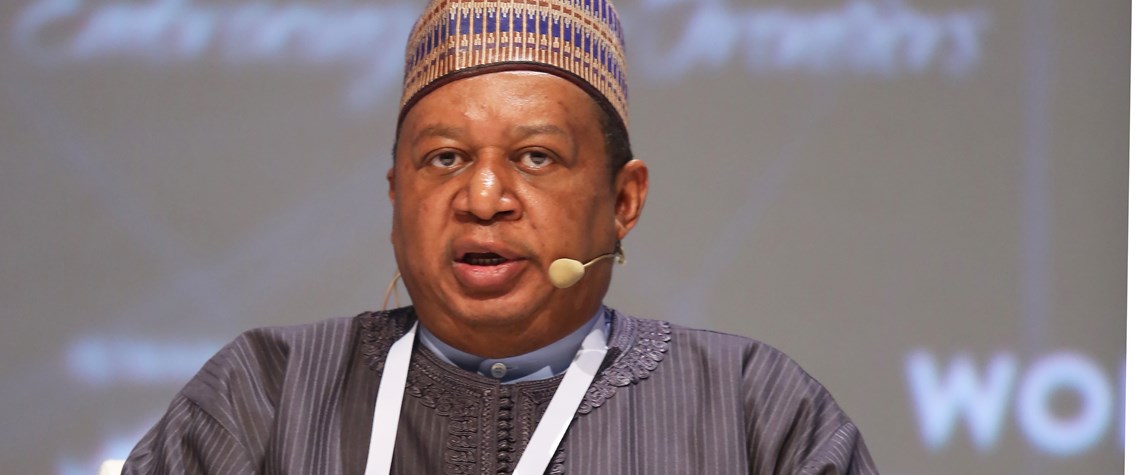
Opec and its partners outside the group are sticking with the plan, convinced they will succeed in eliminating the global stock glut. But in extending their deal for nine months, to end-March 2017, they have accepted the market's judgement: the rebalancing process will take longer than they wanted or expected. Had they ended the deal as planned at end-2017, Saudi Arabia's oil minister Khalid al-Falih said, Opec's producers would have added "a large slug" of supply to the market, creating another hefty stock build. Oil ministers also discussed deeper cuts in the meeting, in Vienna on 25 May, as well as a 12-month extension. But new quotas would take weeks of preparatory negotiations, which ha

Also in this section
Canada’s Asian pivot faces hurdles
12 December 2025
The federal government is working with Alberta to improve the country’s access to Asian markets and reduce dependence on the US, but there are challenges to their plans
Outlook 2026
12 December 2025
The latest edition of our annual Outlook publication, titled 'The shape of energy to come: Creating unique pathways and managing shifting alliances', is available now
New Zealand is back open for business
11 December 2025
The removal of the ban on oil and gas exploration and an overhaul of the system sends all the right messages for energy security, affordability and sustainability
New Zealand’s gas horror story will haunt for years to come
10 December 2025
The economic and environmental cost of the seven-year exploration ban will be felt long after its removal

Share PDF with colleagues

COPYRIGHT NOTICE: PDF sharing is permitted internally for Petroleum Economist Gold Members only. Usage of this PDF is restricted by <%= If(IsLoggedIn, User.CompanyName, "")%>’s agreement with Petroleum Economist – exceeding the terms of your licence by forwarding outside of the company or placing on any external network is considered a breach of copyright. Such instances are punishable by fines of up to US$1,500 per infringement
Send

Forward article Link

Send
Sign Up For Our Newsletter
Project Data
Maps
Podcasts
Social Links
Featured Video
Home
  • About us
  • Subscribe
  • Reaching your audience
  • PE Store
  • Terms and conditions
  • Contact us
  • Privacy statement
  • Cookies
  • Sitemap
All material subject to strictly enforced copyright laws © 2025 The Petroleum Economist Ltd
Cookie Settings
;

Search
