


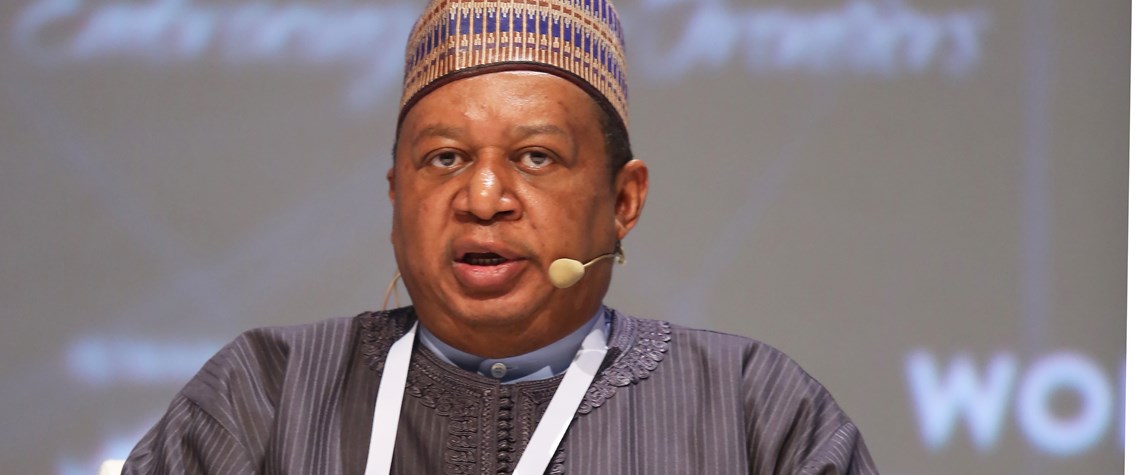
The cuts deal is central to Opec’s branding under secretary-general Mohammad Barkindo
Opec's next balancing act
The oil market is at a crux point as bullish and bearish forces battle to set the tone
After a long hot afternoon around a circular table in Algeria, Opec struck its deal with Russia to start cutting oil production. It was September 2016 and the agreement-the "Algiers Accord", as Opec now styles it—was the beginning of the end of the oil-price slump. The partners will ride back into Algiers again in the final week of September to honour the date. The deal has become central to Opec's branding under secretary-general Mohammad Barkindo. Celebrations are planned. The cutters have every reason to be pleased. The supply glut has been gone now for months. A barrel of Brent crude oil, about $55 two years ago, has traded above $70/b since mid-April 2018. Saudi Arabia is said to want t

Also in this section
13 March 2026
Brussels is again weighing a cap on gas prices amid the Hormuz crisis, but the measure could backfire by deterring the LNG cargoes Europe urgently needs
12 March 2026
Emergency oil stocks provide a last line of defence to oil market shocks, so the IEA’s unprecedented 400m bl release represents something of a double-edged sword
12 March 2026
LPG could rapidly expand access to clean cooking across Africa and prevent hundreds of thousands of deaths from indoor air pollution each year, but infrastructure shortages and regulatory barriers are slowing investment and market growth
11 March 2026
Missiles over Dubai and disruption in Hormuz are testing the emirate’s reputation—and shaking the energy hub at the centre of the Gulf economy


