


EU banned seaborne Russian crude imports
Russian sanctions not watertight
Moscow will likely still be able to find buyers and ships for its exports of crude and products despite the measures
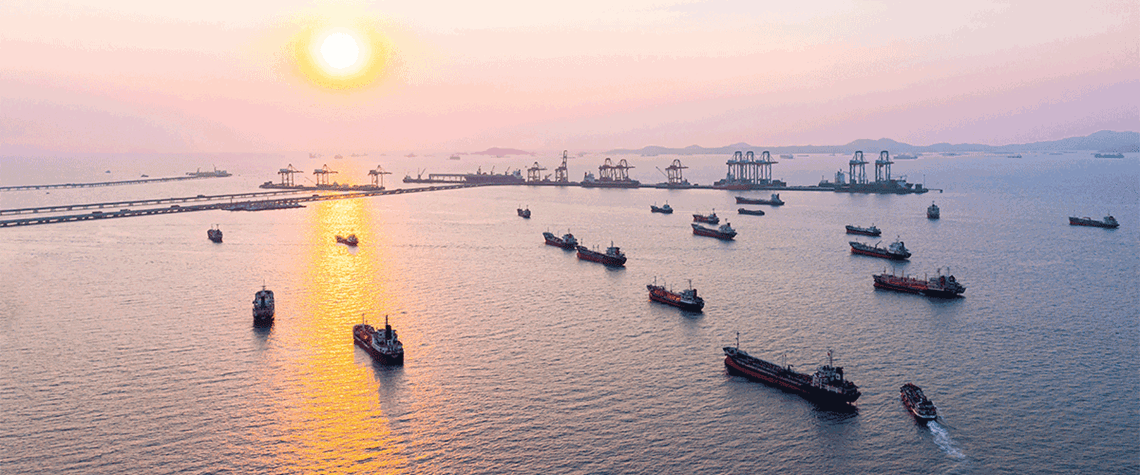
Moscow’s invasion of Ukraine and the subsequent Western sanctions on Russian crude and products have had significant impacts on the global tanker markets. Pre-war trade flows have been disrupted, redirected or cut altogether in a worldwide reshuffling of hydrocarbon supply, while the use of sanctions-busting measures has picked up and led to a grey market that includes disguising the origin of cargoes and using tankers not aligned to key insurance clubs. And the effects continue to reverberate with the recent introduction of the G7 price cap and the EU’s import bans. The EU banned seaborne Russian crude imports on 5 December last year and a similar ban on product shipments came into force on

Also in this section
13 March 2026
Brussels is again weighing a cap on gas prices amid the Hormuz crisis, but the measure could backfire by deterring the LNG cargoes Europe urgently needs
12 March 2026
Emergency oil stocks provide a last line of defence to oil market shocks, so the IEA’s unprecedented 400m bl release represents something of a double-edged sword
12 March 2026
LPG could rapidly expand access to clean cooking across Africa and prevent hundreds of thousands of deaths from indoor air pollution each year, but infrastructure shortages and regulatory barriers are slowing investment and market growth
11 March 2026
Missiles over Dubai and disruption in Hormuz are testing the emirate’s reputation—and shaking the energy hub at the centre of the Gulf economy


