


EU banned seaborne Russian crude imports
Russian sanctions not watertight
Moscow will likely still be able to find buyers and ships for its exports of crude and products despite the measures
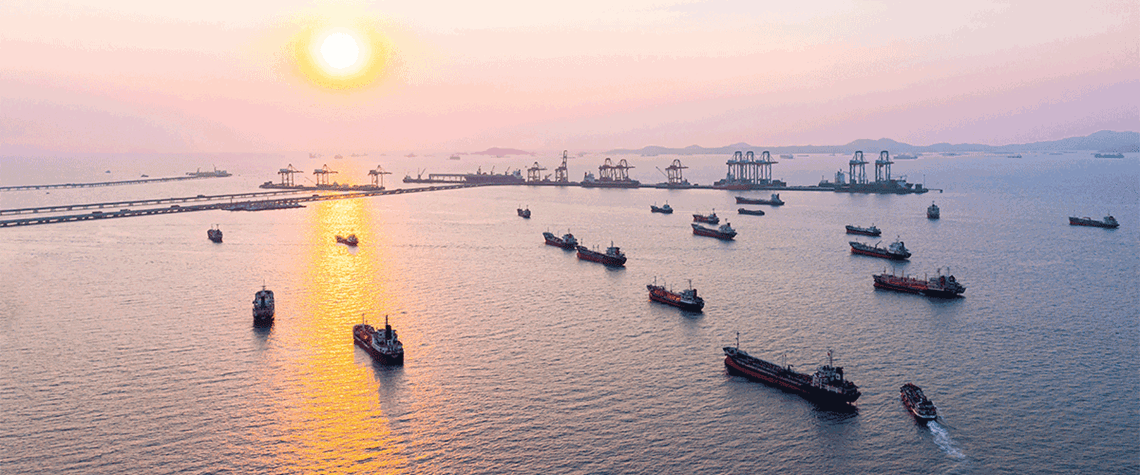
Moscow’s invasion of Ukraine and the subsequent Western sanctions on Russian crude and products have had significant impacts on the global tanker markets. Pre-war trade flows have been disrupted, redirected or cut altogether in a worldwide reshuffling of hydrocarbon supply, while the use of sanctions-busting measures has picked up and led to a grey market that includes disguising the origin of cargoes and using tankers not aligned to key insurance clubs. And the effects continue to reverberate with the recent introduction of the G7 price cap and the EU’s import bans. The EU banned seaborne Russian crude imports on 5 December last year and a similar ban on product shipments came into force on

Also in this section
28 April 2026
Oil traders warning of $200/bl oil are wrong, and the market should be wary of proclamations that the impact of the oil shortage has only begun to be felt and a that a ‘harsh adjustment’ is coming—even for industrialised nations
28 April 2026
Restoring supply from Saudi Arabia, the UAE, Kuwait, Qatar, Bahrain and Iraq involves complexities far beyond simply adjusting operational controls
28 April 2026
Datacentres will guzzle power at a ferocious rate, but the impact on wider energy markets will be far more complex than previously thought
28 April 2026
The key energy player faces balancing regional routes, political complexities, and creating a clear strategic vision for energy security


