


Iraq aims to lift nationwide production capacity by two-thirds
Iraq’s upstream shows signs of life
Baghdad is once again looking towards much higher long-term capacity goals
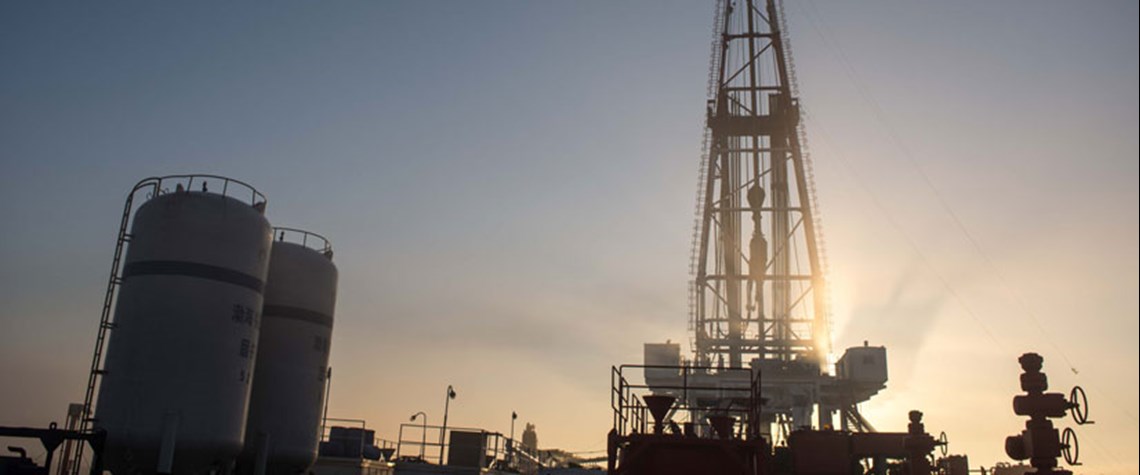
Iraq’s oil production hit a ten-month peak of 3.9mn bl/d in March, as the Opec+ cuts with which the country has, admittedly reluctantly, largely complied with began to ease. And federal export revenues were their highest for a year, ever since the brief Saudi-Russia oil price war was followed by Covid-19. With more production curbs set to lift and the prospect of further revenue growth, Iraq’s oil minister Ihsan Ismaael looked to the future in late March. The country’s new goal is to hike nationwide capacity—including that controlled by the Kurdistan Regional Government (KRG) in the semi-autonomous north—by some two-thirds, to 8m bl/d, by 2029. 8mn bl/d – Baghdad’s 2029 output goal W

Also in this section
13 March 2026
Brussels is again weighing a cap on gas prices amid the Hormuz crisis, but the measure could backfire by deterring the LNG cargoes Europe urgently needs
12 March 2026
Emergency oil stocks provide a last line of defence to oil market shocks, so the IEA’s unprecedented 400m bl release represents something of a double-edged sword
12 March 2026
LPG could rapidly expand access to clean cooking across Africa and prevent hundreds of thousands of deaths from indoor air pollution each year, but infrastructure shortages and regulatory barriers are slowing investment and market growth
11 March 2026
Missiles over Dubai and disruption in Hormuz are testing the emirate’s reputation—and shaking the energy hub at the centre of the Gulf economy


