


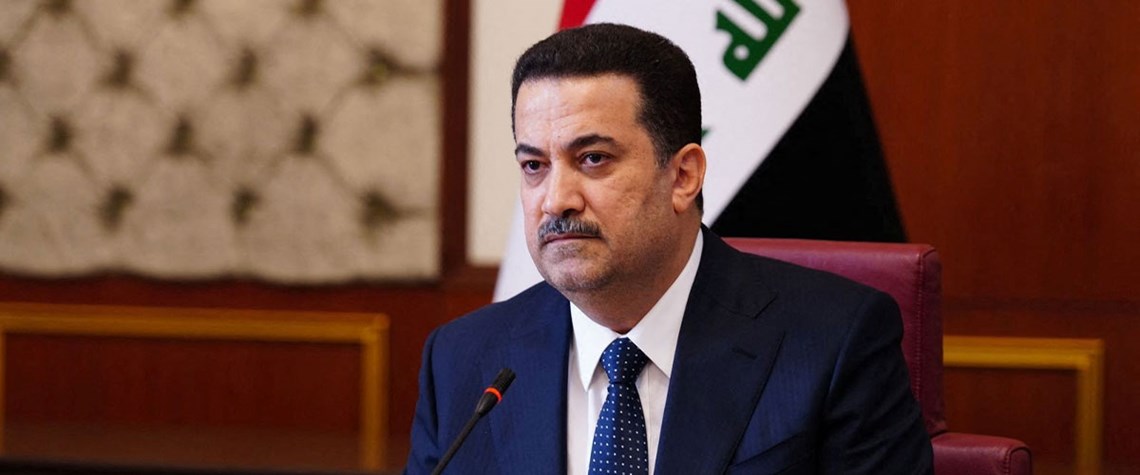
New Iraqi prime minister, Mohammed Shia al-Sudani
Government formation promises relief from Iraq’s upstream stasis
The new administration’s close ties to Tehran could mould its stance towards potential IOC investors
Iraq’s oil sector has been frozen since elections last year, paralysed by the caretaker government’s constitutional inability to make major policy and spending decisions. While rival Mideast Gulf producers and their foreign partners have spent their oil price windfalls on turbocharging upstream development, Baghdad is lagging, even though it is set to end the year with its coffers at their plumpest for nearly 20 years. As a result, the belated appointment of a new government in late October was greeted by the country’s IOC investors with a general sigh of relief. But the sentiment was largely detached from the character of the administration, moulded as it is by a tactical victory after year

Also in this section
13 March 2026
Brussels is again weighing a cap on gas prices amid the Hormuz crisis, but the measure could backfire by deterring the LNG cargoes Europe urgently needs
12 March 2026
Emergency oil stocks provide a last line of defence to oil market shocks, so the IEA’s unprecedented 400m bl release represents something of a double-edged sword
12 March 2026
LPG could rapidly expand access to clean cooking across Africa and prevent hundreds of thousands of deaths from indoor air pollution each year, but infrastructure shortages and regulatory barriers are slowing investment and market growth
11 March 2026
Missiles over Dubai and disruption in Hormuz are testing the emirate’s reputation—and shaking the energy hub at the centre of the Gulf economy


