


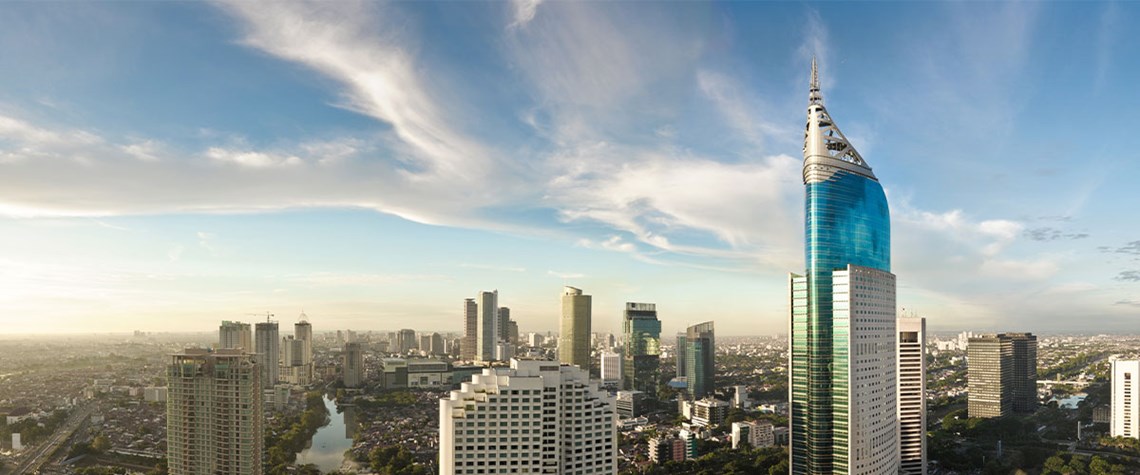
Jakarta, Indonesia
Indonesia struggles to reverse upstream fortunes
Slow progress at flagship LNG projects and a lack of foreign interest in oil prospects are hampering the country’s production goals
Indonesia’s upstream has seen mostly negative news this year, with the flagship Abadi LNG development remaining stalled and new oil and gas capacity additions projected to fall short of government targets. But expansion works at Tangguh LNG have resumed, following what BP CEO Bernard Looney termed “severe impacts from Covid”. The addition of a third, 3.8mn t/yr train at Tangguh project has faced repeated delays. Looney told a recent earnings call that “we hope… to start up by the end of next year, but a lot depends on how Covid evolves”. The third train will boost the facility’s overall capacity to 11.4mn t/yr. 3.8mn t/yr – Tangguh Train 3 capacity The existing two trains are largely

Also in this section
13 March 2026
Brussels is again weighing a cap on gas prices amid the Hormuz crisis, but the measure could backfire by deterring the LNG cargoes Europe urgently needs
12 March 2026
Emergency oil stocks provide a last line of defence to oil market shocks, so the IEA’s unprecedented 400m bl release represents something of a double-edged sword
12 March 2026
LPG could rapidly expand access to clean cooking across Africa and prevent hundreds of thousands of deaths from indoor air pollution each year, but infrastructure shortages and regulatory barriers are slowing investment and market growth
11 March 2026
Missiles over Dubai and disruption in Hormuz are testing the emirate’s reputation—and shaking the energy hub at the centre of the Gulf economy


