


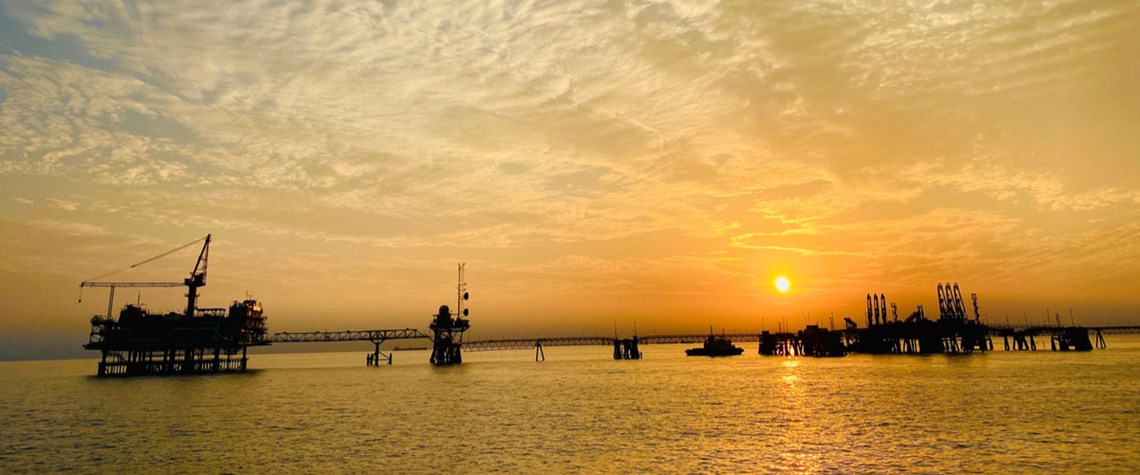
A jetty at the Basra terminal
Iraq’s oil cash bonanza masks deeper problems
Soaring oil prices are spurring renewed IOC investment but exposing infrastructure gaps
Iraq’s oil export revenues hit an eight-year high in February as prices surged, while the completion of an expansion project at one of the country’s largest fields supports ambitions that high prices might spur renewed IOC investment. However, as Opec eases production limits, underlying constraints to growth are re-emerging. The commissioning of a 50,000bl/d expansion at the giant West Qurna-2 field—raising capacity to 450,000bl/d—is cause for celebration but also demonstrates how expectations for Iraq’s oil sector have been downgraded. The contract signed with Russia’s Lukoil at the turn of the last decade envisioned production from the 14bn bl asset reaching 1.8mn bl/d five years ago. And

Also in this section
13 March 2026
Brussels is again weighing a cap on gas prices amid the Hormuz crisis, but the measure could backfire by deterring the LNG cargoes Europe urgently needs
12 March 2026
Emergency oil stocks provide a last line of defence to oil market shocks, so the IEA’s unprecedented 400m bl release represents something of a double-edged sword
12 March 2026
LPG could rapidly expand access to clean cooking across Africa and prevent hundreds of thousands of deaths from indoor air pollution each year, but infrastructure shortages and regulatory barriers are slowing investment and market growth
11 March 2026
Missiles over Dubai and disruption in Hormuz are testing the emirate’s reputation—and shaking the energy hub at the centre of the Gulf economy


