


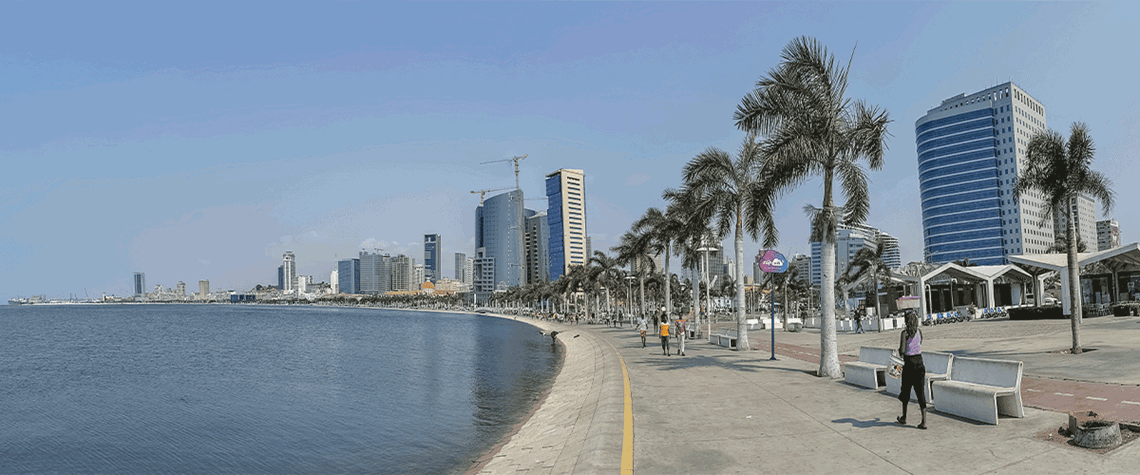
The Angolan capital, Luanda
Angola’s OPEC departure runs deep
Luanda’s decision to leave the influential group surprised many observers but may have been coming for some time
Angola announced its decision to withdraw from OPEC on 21 December, effective 1 January, after 16 years of membership. In an official statement, sub-Saharan Africa’s second-largest oil producer said that it “needs to concentrate its efforts on implementing the strategies defined in the National Development Plan for the national oil sector”. Angola’s minister of mineral resources, oil and gas, Diamantino Azevedo, said OPEC’s allocation at the end of November of a 1.11m b/d production quota "was not taken unanimously and went against Angola's position”, with Luanda instead targeting 1.18m b/d in 2024. OPEC’s revised quota “would force Angola to cut its production by 70,000b/d”, the statement f

Also in this section
28 April 2026
Oil traders warning of $200/bl oil are wrong, and the market should be wary of proclamations that the impact of the oil shortage has only begun to be felt and a that a ‘harsh adjustment’ is coming—even for industrialised nations
28 April 2026
Restoring supply from Saudi Arabia, the UAE, Kuwait, Qatar, Bahrain and Iraq involves complexities far beyond simply adjusting operational controls
28 April 2026
Datacentres will guzzle power at a ferocious rate, but the impact on wider energy markets will be far more complex than previously thought
28 April 2026
The key energy player faces balancing regional routes, political complexities, and creating a clear strategic vision for energy security


